

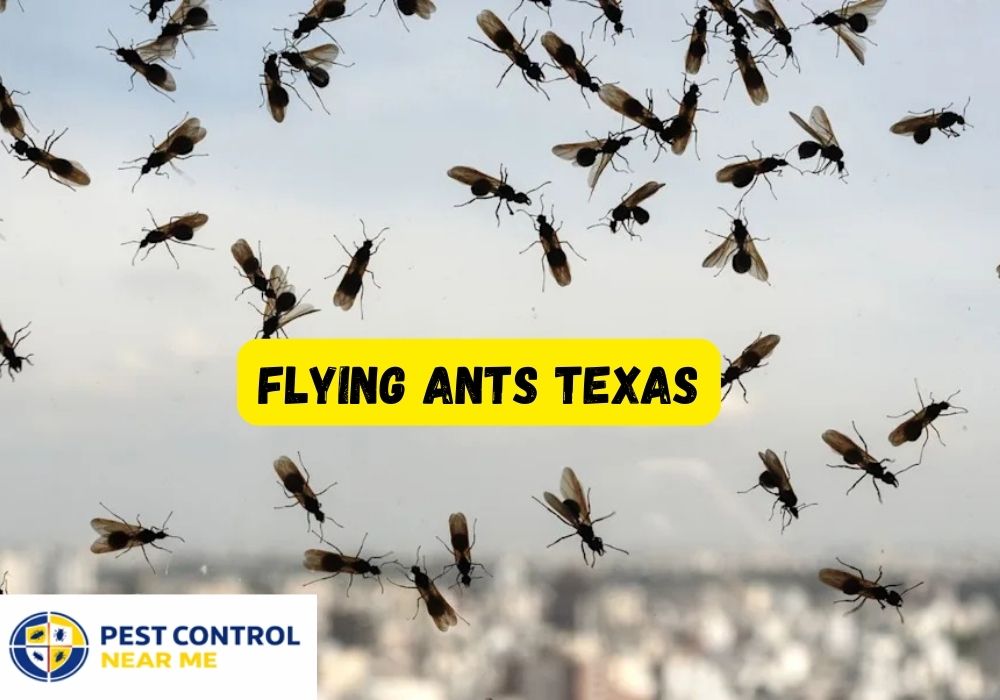
In 2026, homeowners across Texas will again face the seasonal arrival of flying ants Texas during warm and humid months—especially in spring and early summer. These winged insects, commonly referred to as “swarmers” or reproductive ants, are not a separate species. Instead, they are fertile members of existing colonies like Carpenter Ant or Red Imported Fire Ant that develop wings temporarily to leave their nests, mate, and establish new colonies.
Their sudden appearance—particularly indoors—can be unsettling. While seeing ants with wings in Texas doesn’t always mean an infestation, it may indicate that a nearby colony has matured enough to reproduce. In some cases, it may even signal nesting activity inside your home’s walls or wooden structures.
This 2026 guide covers everything you need to know about flying ant Texas swarms—from causes and identification to removal methods and treatment costs. Yesterday we published a post on Flying Ants vs Termites: Appearance, Behavior & Life Cycle Differences
What Are Flying Ants?
Flying ants are reproductive male and female ants that grow wings for a brief mating period known as a nuptial flight. This usually happens when:
- Temperatures rise after rainfall
- Humidity levels increase
- Colonies reach maturity
- Warm evenings occur in late spring or early summer
After mating:
- Male ants die shortly afterward
- Fertilized females shed their wings
- Queens begin building new colonies
This natural process explains why Texas flying ants seem to appear suddenly in large numbers.
Common Types of Ants With Wings in Texas
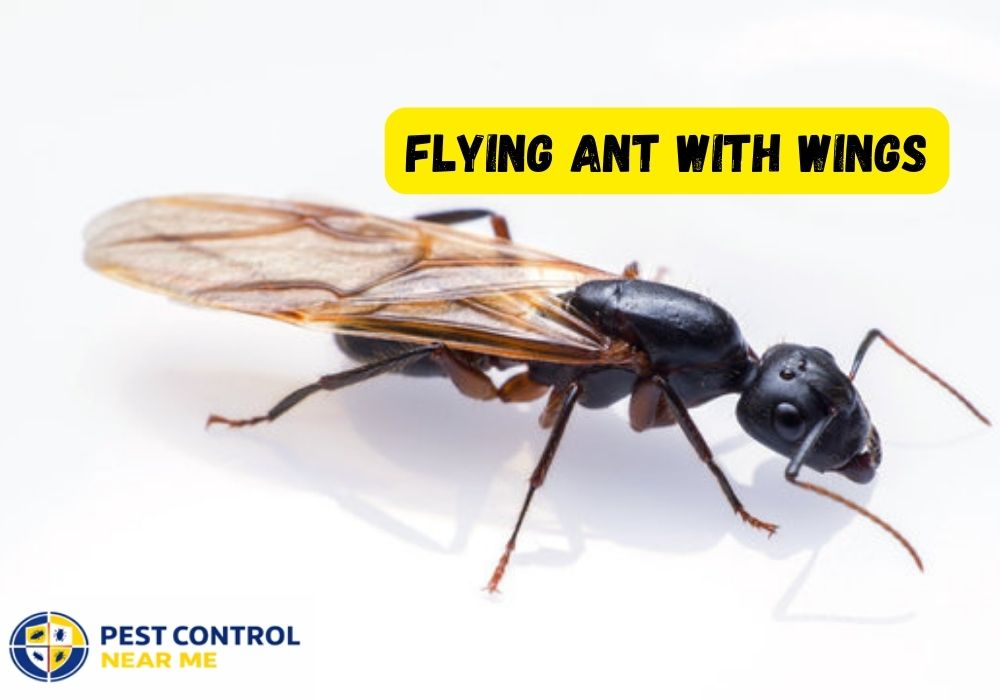
Here are the most frequently seen flying ants Texas residents encounter:
| Ant Type | Appearance | Where They Nest | Risk Level |
| Carpenter Ant | Large, black or reddish | Damp wood, walls | High |
| Fire Ant | Small, reddish-brown | Soil & lawns | Moderate |
| Sugar Ant (Odorous House Ant) | Small, black/brown | Indoors | Low |
| Pavement Ant | Dark brown | Concrete cracks | Low |
Flying Ant With Wings
A flying ant with wings typically refers to reproductive odorous house ants. These ants are attracted to sugary foods, crumbs, and kitchen spills. Although they do not damage structures, their presence indoors often suggests an established colony nearby.
Why Do Flying Ants Appear in Texas?
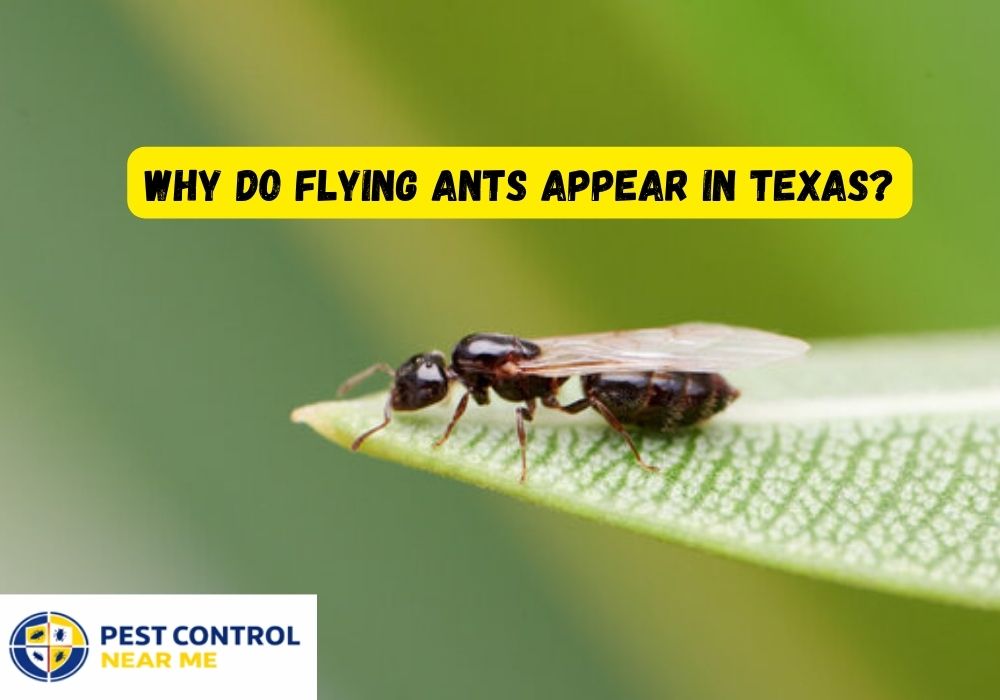
Texas provides ideal breeding conditions due to:
- Extended warm seasons
- Frequent rainfall
- High humidity
- Favorable soil temperatures
Texas flying ants are most active between April and July, particularly after rainy days followed by warm evenings.
Flying Ants vs Termites
Flying ants are often mistaken for termites. Here’s how to differentiate them:
| Feature | Flying Ant | Termite |
| Waist | Narrow | Straight |
| Antennae | Bent | Straight |
| Wing Size | Front larger than back | Equal length |
| Color | Black or reddish | Pale |
Proper identification is essential to prevent misdiagnosis of termite infestations.
What Causes Flying Ants in Your House?
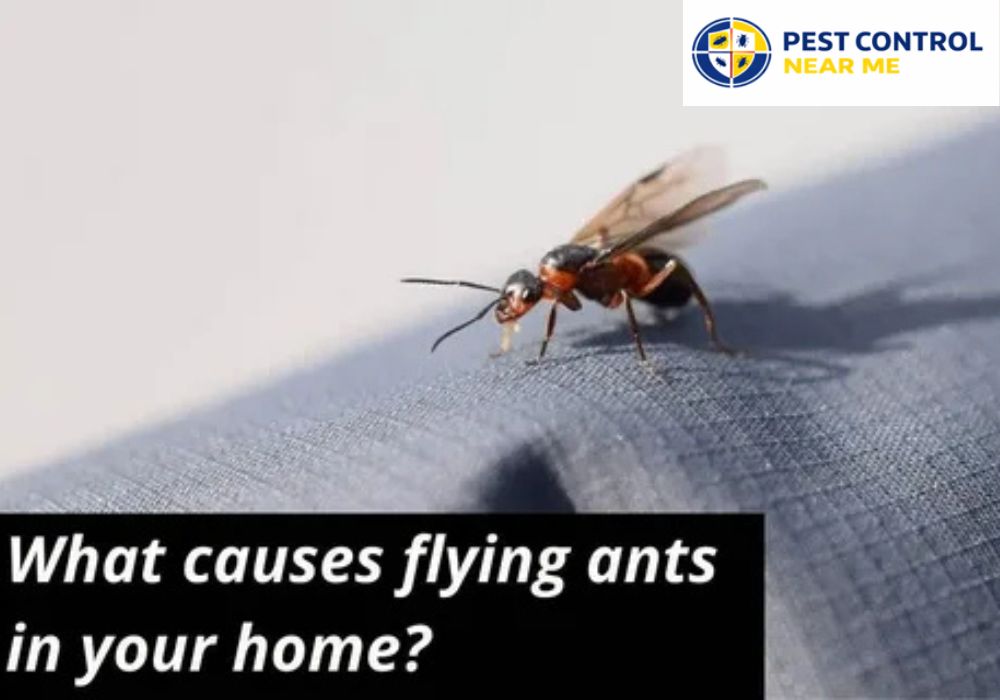
Flying ant Texas infestations indoors are usually caused by:
- Indoor nesting within walls or wood
- Attraction to artificial lighting
- Food sources such as sugar or grease
- Moisture from leaks or damp wood
If ants are emerging from vents, window frames, or baseboards, this may indicate an internal colony.
Read also: How to Get Rid of Tiny Sugar Ants? Identification & Control in House 2026
What Attracts Flying Ants?
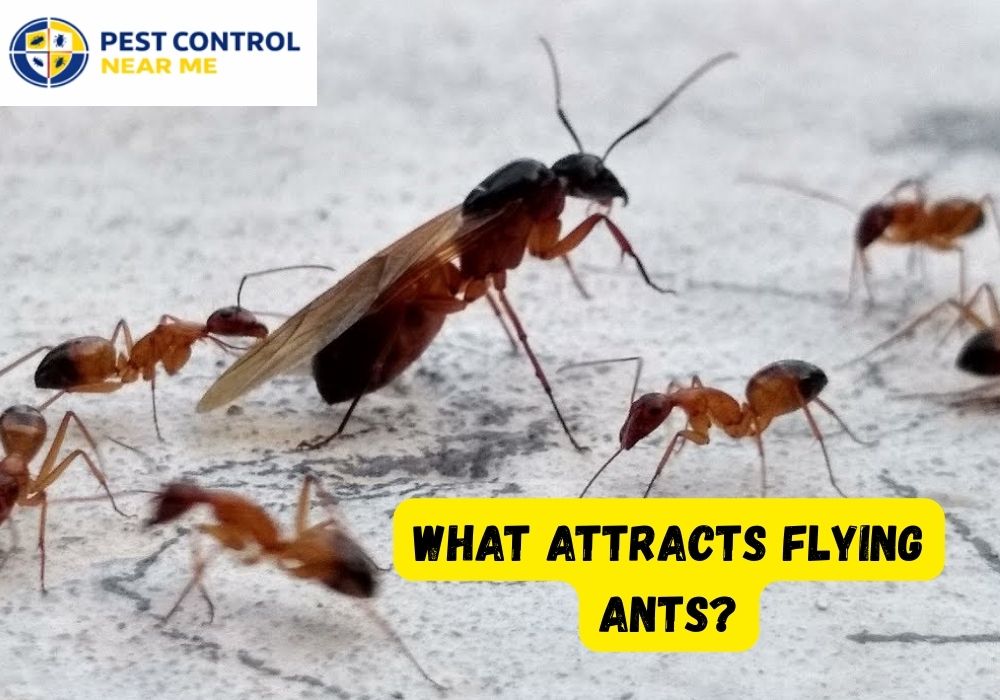
Flying ants are commonly drawn to:
- Sweet food residues
- Standing water
- Moist or rotting wood
- Light sources at night
- Open trash containers
- Cracks in foundations
Even small entry points around doors and windows can allow ants with wings in Texas to enter your home.
Best Ways to Get Rid of Flying Ants
Immediate Control Methods
- Vacuum visible swarmers
- Turn off unnecessary outdoor lights
- Seal entry points around windows and doors
- Clean food spills promptly
Long-Term Prevention
- Fix moisture leaks
- Store food in airtight containers
- Install door sweeps
- Trim vegetation touching your home
Professional pest control is often recommended for recurring flying ant infestations in Texas.
How Much Does It Cost to Get Rid of Flying Ants in Texas?
Treatment costs typically range from:
- $150 – $300 for minor infestations
- $300 – $700 for moderate colony removal
- $800+ for severe carpenter ant infestations
Pricing depends on infestation severity and whether structural treatment is required.
Read more: Do Sugar Ants Bite? Identify & Get Rid of Sugar Ants in 2026
Conclusion
Flying ants Texas swarms are a natural seasonal occurrence, especially during warm and humid months in 2026. While occasional sightings may not indicate a serious issue, repeated indoor swarms could signal a nearby or internal colony—particularly in the case of carpenter ants.
Understanding what attracts Texas flying ants and how they enter your home is the first step toward prevention. Early identification and timely treatment can help protect your property from potential damage and ensure long-term pest control success.
If flying ant activity in Texas becomes frequent or overwhelming, seeking professional pest management services is often the most effective solution for complete colony elimination.
FAQs
Why do I suddenly see flying ants?
Sudden swarms occur when a colony reaches maturity and weather conditions—like warmth and humidity after rainfall—trigger mating flights.
Does flying ants mean you have termites?
No. Flying ants are different from termites. However, they are often confused due to their wings.
What brings flying ants outside in Texas?
Warm weather, humid conditions, and recent rainfall usually trigger swarming behavior outdoors.
What are the black flying ants in Texas?
Large black flying ants are often carpenter ant swarmers, which may nest in damp wood structures.
Are black flying ants bad?
Some species like carpenter ants can cause structural damage, while others are simply nuisance pests.
What attracts flying ants?
Sugary foods, moisture, standing water, and light sources attract flying ants into homes.
What is the best way to get rid of flying ants?
Vacuuming swarmers, sealing entry points, removing food sources, and professional pest control treatment are most effective.
Will flying ants eventually go away?
Yes, swarms typically last only a few days—but recurring swarms may indicate a nearby colony.
What is the best repellent for flying ants?
Natural repellents like vinegar or essential oils may help temporarily, but professional treatment offers long-term results.
When should I be worried about flying ants?
If you notice repeated indoor swarms or ants emerging from wooden structures, professional inspection is recommended.
How to find a flying ant nest?
Look for sawdust-like debris, damp wood, or ant trails near walls and baseboards.
How much does it cost to get rid of flying ants?
Costs range from $150 to $800+ depending on infestation severity.

