If you’re a renter in Grand Prairie, Texas, you’ve probably asked: “Who pays for pest control — the landlord or the tenant?” Usually, Landlords are the ones who are responsible for pest control if the security and well being of the tenants is affected.
Pest problems are common in North Texas due to the warm climate, humidity, and growing urban density. Whether it is ants, roaches, mice, or termites, dealing with pests can become expensive and that expense leads many tenants to wonder who is legally responsible.
Texas Landlord–Tenant Law on Pest Control
Under Texas law, landlords are typically required to provide safe, habitable, and pest-free rental units when tenants move in and throughout the lease term. This responsibility comes from the implied warranty of habitability, which requires a landlord to ensure a property is fit for living.
This means:
- Landlords must maintain the property
- Structural issues that lead to infestations must be repaired
- Pest problems that result from property conditions generally fall on the landlord
However, the specifics depend on the lease agreement terms and the cause of the pest problem.
What Is the Implied Warranty of Habitability?
Texas does not have a statewide housing code, but courts and housing authorities recognize an implied warranty of habitability in residential leases. This legal principle means landlords must:
- Provide a reasonably safe and livable dwelling
- Repair defects that materially affect health or safety
- Address pests caused by structural conditions
Examples:
- Holes in walls enabling rodents to enter
- Broken screened doors letting insects in
- Cracks in the foundation leading to termite access
In cases like these, landlords are usually responsible for pest control.
When Landlords Are Responsible
In Grand Prairie and the rest of Texas, landlords are generally responsible for pest control when:
✔ The infestation results from structural issues
✔ A tenant reports the issue promptly
✔ The landlord fails to remedy the problem in a reasonable time
✔ The lease specifies pest control is the landlord’s duty
Many landlords proactively arrange quarterly or annual pest control for the entire property as part of regular maintenance.
When Tenants Are Responsible
Tenants may be held responsible if:
✘ The infestation is caused by tenant behavior
✘ Rental agreement requires tenant to control pests
✘ Pest problems result from unsanitary conditions
✘ Food, trash, or clutter attracts pests
Examples include:
- Leaving food out attracts rodents
- Failing to dispose of trash properly
- Infestation limited to tenant’s unit due to personal behavior
What Your Lease Agreement Says Matters Most
While Texas law sets a general standard, the lease agreement often determines responsibility.
Check your lease for sections like:
- Maintenance obligations
- Pest control responsibilities
- Tenant duties
- Penalty or reimbursement clauses
If your lease clearly states the landlord is responsible for pest control, that clause usually prevails.
What to Do If Your Landlord Refuses to Address a Pest Problem
If your landlord ignores a serious pest issue:
- Document the Problem
Take photos, dates, and descriptions.
- Send a Written Request
Texas law often requires written notices for repairs.
- Request a Professional Inspection
A pest inspection report strengthens your case.
- Contact Local Health or Housing Authorities
City housing departments can advise.
- Consider Legal Advice
Tenant rights organizations may assist.
How Most Landlords Handle Pest Control in Grand Prairie
In practice, many Grand Prairie landlords:
✔ Provide initial pest control before move-in
✔ Include pest services in maintenance packages
✔ Arrange routine treatments for the whole property
✔ Require tenants to take reasonable steps to keep units clean
This shared responsibility approach often works best for long-term prevention and tenant satisfaction.
Final Thoughts
So yes, landlords are responsible for pest control when the problem stems from structural or maintenance issues. Lease agreements play a major role, and tenants share responsibility when pests result from personal behavior or neglect.
Understanding your rights and responsibilities can help you resolve pest issues more effectively and ensure your home remains safe and habitable.
Frequently Asked Questions (FAQs)
Do landlords in Texas have to provide pest control?
In most cases, yes. Landlords are generally responsible if pests result from property conditions or structural issues. Your lease agreement and local laws also influence responsibility.
Does a landlord pay for pest control?
Yes — if the infestation stems from structural problems or normal wear and tear. If pests result from tenant behavior or unsanitary conditions, the tenant may be responsible.
What are landlords responsible for in Texas?
Landlords are responsible for:
- Maintaining a habitable property
- Repairs that affect health and safety
- Pest control for infestations due to structural or maintenance issues
- Providing agreed-upon services in the lease
Is it my landlord’s responsibility to get rid of mice?
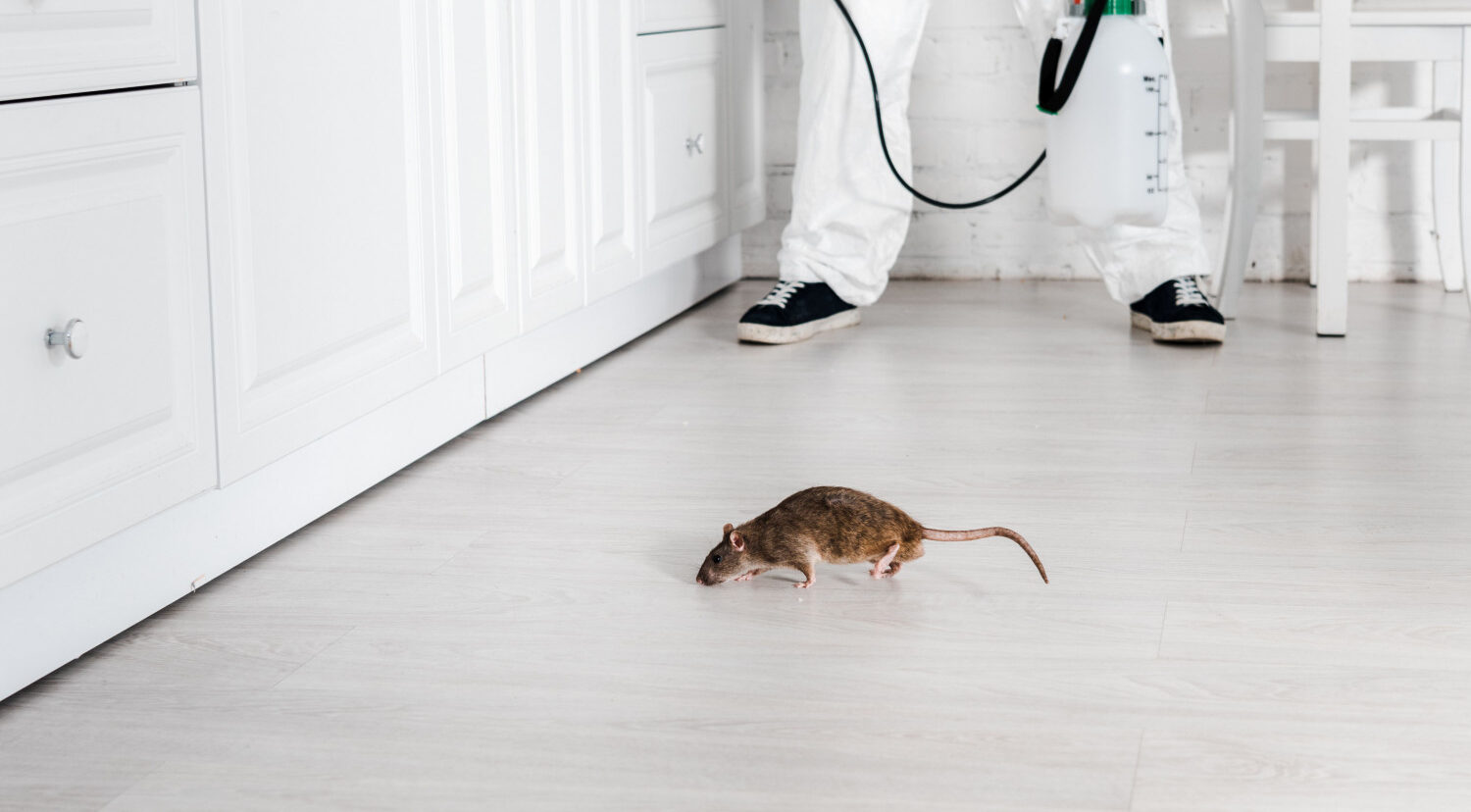
Usually, yes — if mice enter due to cracks, holes, or structural defects. If the issue is due to the tenant’s failure to keep the unit clean, the tenant may be responsible.
What if my landlord refuses to get rid of mice?
You can:
✔ Document the infestation
✔ Send written notice
✔ Request an inspection
✔ Contact a local housing authority
✔ Seek legal advice
You may have rights under Texas habitability standards.
Does my rental insurance cover pest control?
Rental (tenant) insurance rarely covers pest control. These policies usually cover belongings against damage, theft, liability, and certain perils — but not pests. Always check your policy specifics.
How much roughly does pest control cost?
In the Grand Prairie area, typical pest control costs:
- $40–$70 per month for routine plans
- $100–$300 per one-time visit
- Higher for termite or bed bug treatments
Costs vary by pest type, severity, and company.
What specifically does the landlord’s insurance not cover?
Landlord property insurance usually does not cover routine pest control or infestations. It may cover pest damage only if associated with a covered peril (rare). Always check policy terms.
What is considered a pest infestation?
A pest infestation exists when:
- Multiple pests are sighted regularly
- Droppings are found
- Gnaw marks or nests are present
- Structural damage is visible
- Signs are persistent and spread
Routine, occasional pest sightings don’t always qualify as an infestation.