If you’re dealing with ants in your kitchen or bathroom, you’ve probably wondered: how long will vinegar keep ants away? The short answer is that vinegar usually repels ants for only a few hours to a couple of days. It works as long as the strong smell remains active, which means you often need to reapply it every 1–2 days. Vinegar does not kill the entire colony. Instead, it masks the scent trails ants use to navigate, making it a temporary solution rather than a permanent fix.
In this updated 2026 guide, we’ll break down exactly how vinegar works, how long it lasts, and what you can do if ants keep coming back. Read our latest post on How Many Legs Do Ants Have? Ant Life Cycle & Types
How Does Vinegar Keep Ants Away?
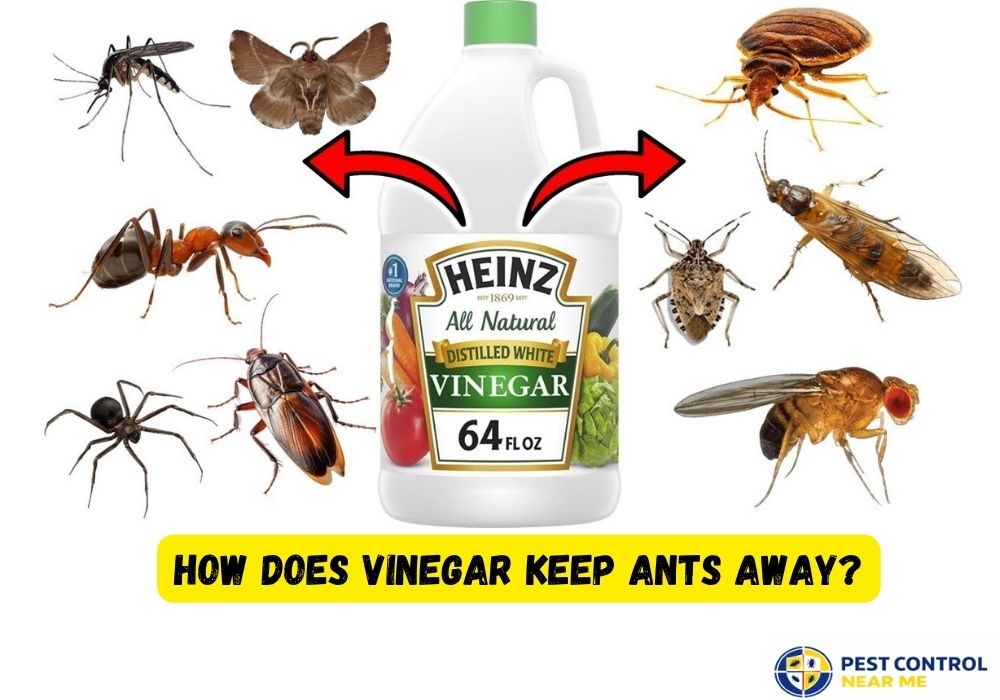
Ants rely heavily on pheromone trails to move between their nest and food sources. When one ant finds food, it leaves a chemical trail for others to follow.
Vinegar disrupts this system. Its strong acidic smell overrides and breaks down those pheromone trails. As a result, other ants struggle to follow the path and may temporarily avoid the area.
However, vinegar does not:
- Kill the queen
- Destroy the nest
- Stop ants from creating new trails
That’s why understanding how long will vinegar keep ants away is important before relying on it as your only solution.
Read More: Do Ants have Hearts, Kidney, Lungs, and Nose? 2026 Essential Guide
How Long Will Vinegar Keep Ants Away?
In most cases, vinegar repels ants for:
- A few hours indoors in high-traffic areas
- Up to 1–2 days in low-traffic, dry areas
- Even less time outdoors due to wind, sunlight, and rain
Once the smell fades, ants can return and rebuild their scent trail quickly.
Factors That Affect How Long Vinegar Lasts
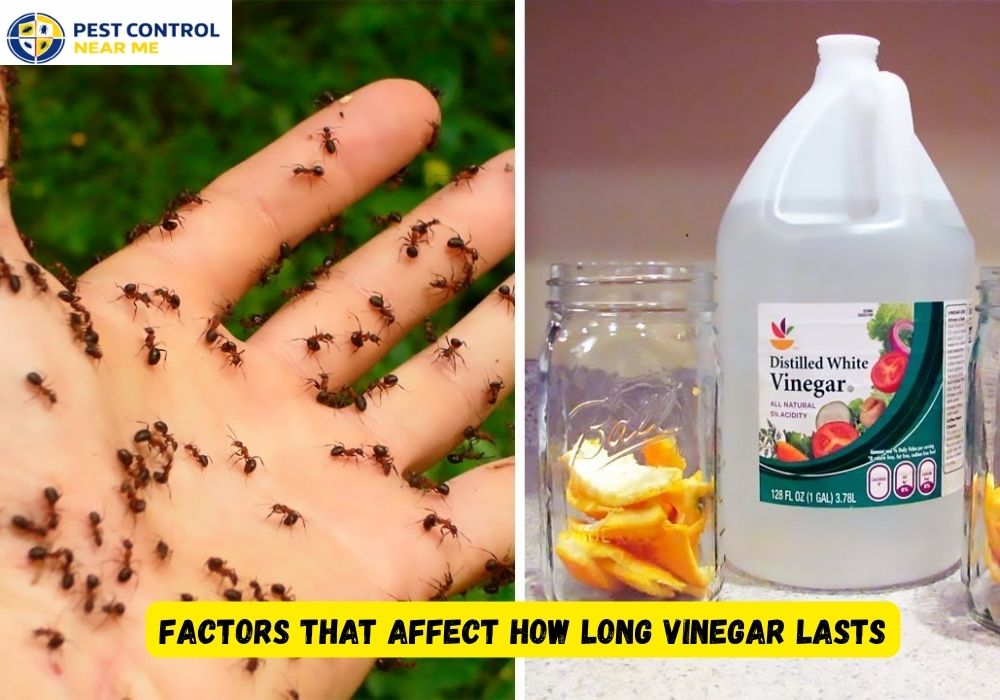
Several conditions influence how long vinegar keeps ants away:
- Surface type: Porous surfaces absorb vinegar faster, reducing its effectiveness.
- Ventilation: Strong airflow makes the smell disappear sooner.
- Cleaning frequency: Mopping or wiping removes the vinegar residue.
- Outdoor weather: Rain and heat break it down rapidly.
Because of this, you typically need to spray vinegar every 1–2 days for continued results.
Vinegar as a Short-Term vs Long-Term Solution
Here’s a clear comparison to help you decide whether vinegar is enough.
| Factor | Vinegar Solution | Professional Ant Treatment |
| Kills visible ants | Sometimes | Yes |
| Destroys colony | No | Yes |
| Eliminates queen | No | Yes |
| Duration of effect | Hours to 2 days | Weeks to months |
| Cost | Very low | Higher upfront |
| Best for | Minor indoor trails | Heavy infestations |
If your infestation is small, vinegar may be helpful. But if ants keep reappearing, the colony is likely still active nearby.
How to Use Vinegar Properly for Ants
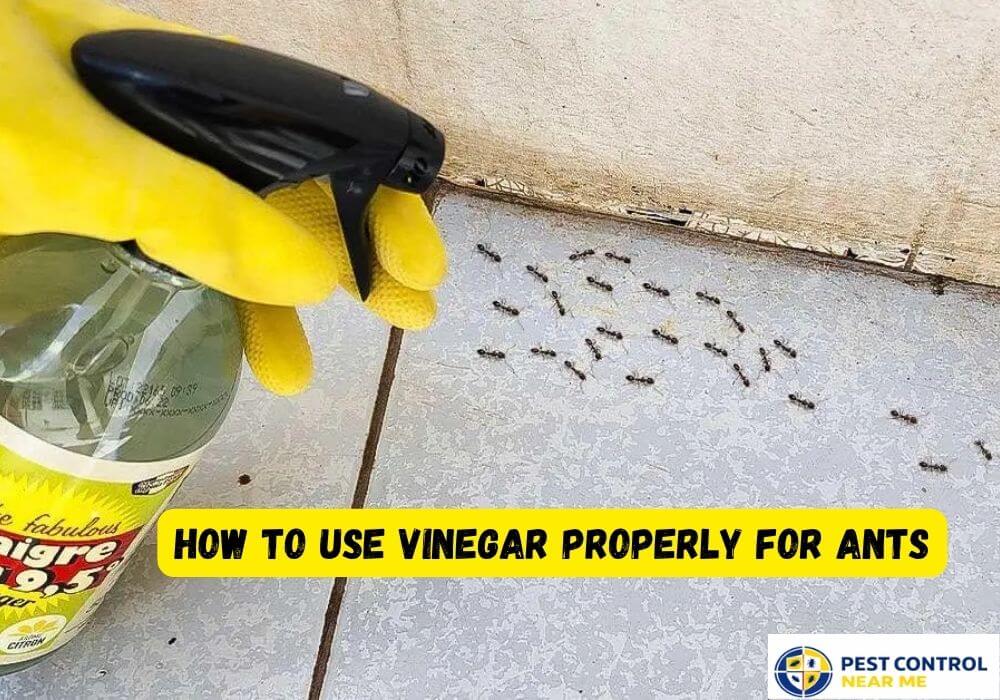
If you decide to use vinegar, follow these steps for better results:
- Mix equal parts white vinegar and water.
- Spray directly on visible ant trails.
- Wipe the area clean after spraying.
- Reapply every 1–2 days or after cleaning.
For stronger scent masking, some people use undiluted vinegar, but this can damage certain surfaces.
Why Vinegar Isn’t Killing the Ant Colony
One of the biggest misconceptions is that vinegar eliminates ants. It does not function as a true insecticide.
Ant colonies are often located:
- Inside walls
- Under floors
- Beneath soil near foundations
Even if surface ants disappear, the queen continues laying eggs. Within days, new workers may return.
If you’re asking how long will vinegar keep ants away because they keep coming back, the issue is likely deeper than surface trails.
When Vinegar Works Best
Vinegar is most effective when:
- You spot a fresh ant trail
- The infestation is small
- You need an immediate, natural solution
- You want to clean and repel at the same time
It is less effective for carpenter ants, large outdoor colonies, or recurring infestations.
Better Long-Term Alternatives
If vinegar is not enough, consider:
- Sealing cracks and entry points
- Removing food sources
- Using bait systems that target the colony
- Professional pest control for severe cases
Baits are often more effective because worker ants carry poison back to the queen.
Conclusion
So, how long will vinegar keep ants away? In most situations, only a few hours to a couple of days. While vinegar is an inexpensive and natural short-term repellent, it does not solve the root problem. It disrupts scent trails but leaves the colony untouched. If ants keep returning, a more targeted approach is necessary. For quick relief, vinegar works. For lasting control, deeper action is required.
FAQs
How long does vinegar last for ants?
Vinegar usually repels ants for several hours to two days. It depends on airflow, surface type, and cleaning frequency.
How do I get rid of ants permanently?
Permanent removal requires targeting the colony and queen. Bait systems or professional treatments are usually needed.
Does vinegar keep ants away?
Yes, vinegar keeps ants away temporarily by disrupting their scent trails. However, it does not eliminate the colony.
Why isn’t vinegar getting rid of ants?
Vinegar only masks pheromone trails. If the nest remains active, ants will return and create new paths.
How often should I spray vinegar?
Spray every 1–2 days or whenever the smell fades. Reapply after mopping or heavy cleaning.
How long does vinegar solution last?
Once mixed with water, vinegar solution remains effective for weeks in a sealed container. On surfaces, its repellent effect fades within days.
Why pour vinegar down the drain in October?
Some homeowners pour vinegar down drains to reduce odors and discourage pests. However, it does not eliminate established ant nests.
What should never be cleaned with vinegar?
Avoid using vinegar on natural stone surfaces like marble or granite, hardwood floors, waxed surfaces, and certain electronics, as it can cause damage.