

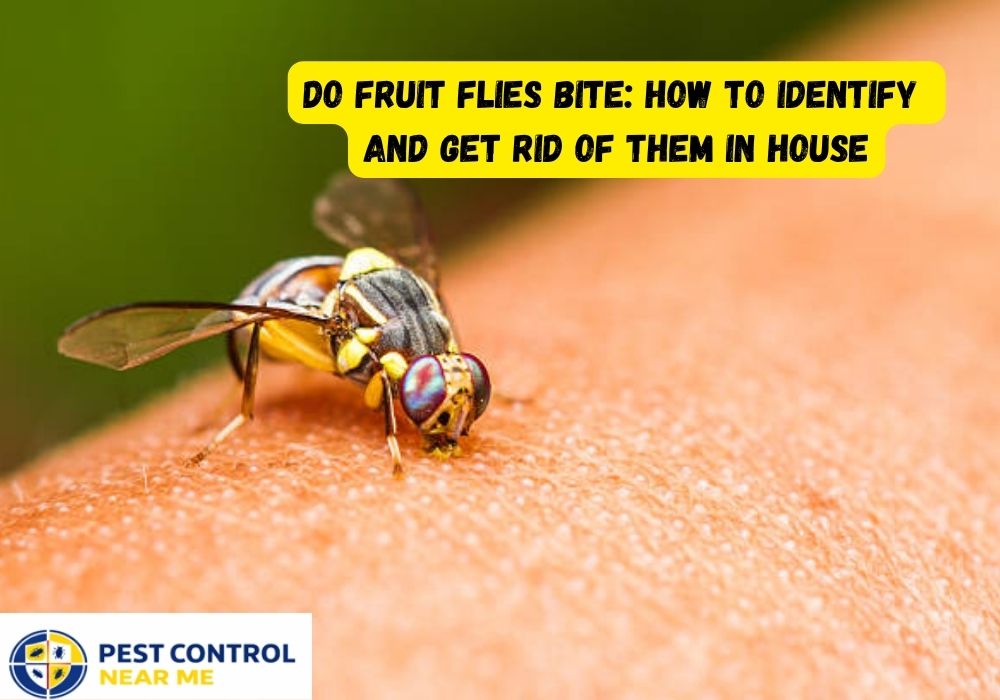
If you’ve noticed tiny flies hovering around your kitchen, you may be wondering, do fruit flies bite? The good news is fruit flies do not bite humans. Unlike mosquitoes or gnats, they do not have biting mouthparts. Instead, they feed only on fermenting fruits, vegetables, sugary liquids, and moist organic matter.
Fruit flies are very small, usually about 1/8 inch long, with tan, orange, or sometimes darker bodies. They are often seen hovering around overripe fruit, trash cans, drains, or recycling bins. While they don’t cause fruit fly bites, they can quickly become a frustrating household nuisance.
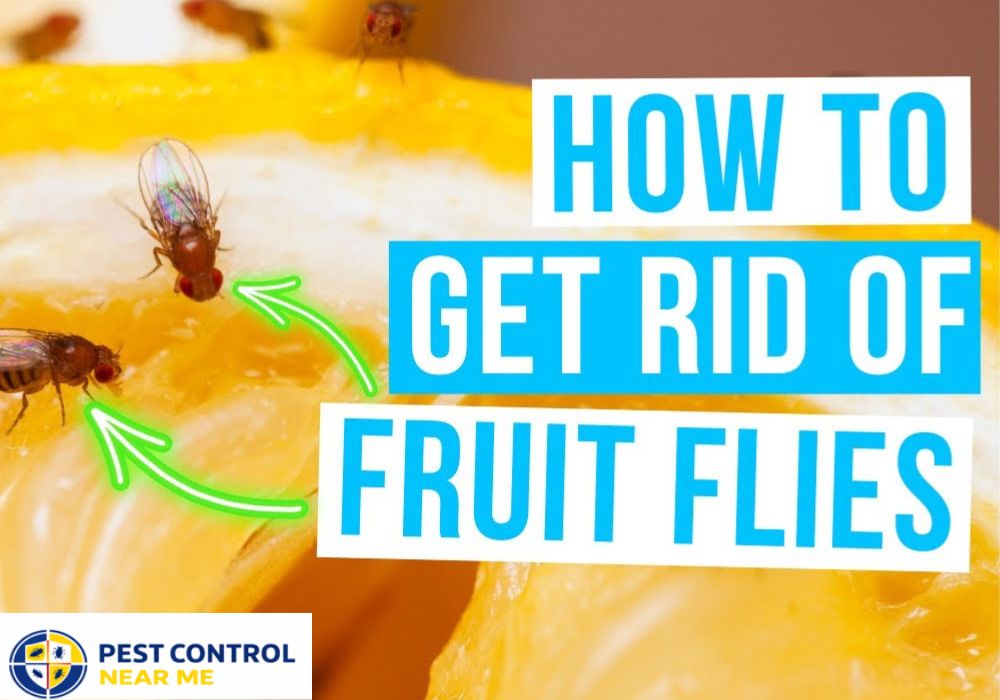
This guide explains how to identify fruit flies, why they appear, and how to eliminate them effectively.
Do Fruit Flies Bite Humans?
The short answer is no. Fruit flies do not bite and cannot sting. They lack the physical mouthparts needed to pierce human skin. If you are experiencing itchy bumps, they are likely caused by mosquitoes, biting midges, or other insects — not fruit flies.
Although fruit flies do not cause fruit fly bites, they can contaminate food surfaces by landing on fermenting materials and waste. This makes proper cleaning essential.
What Do Fruit Flies Actually Eat?
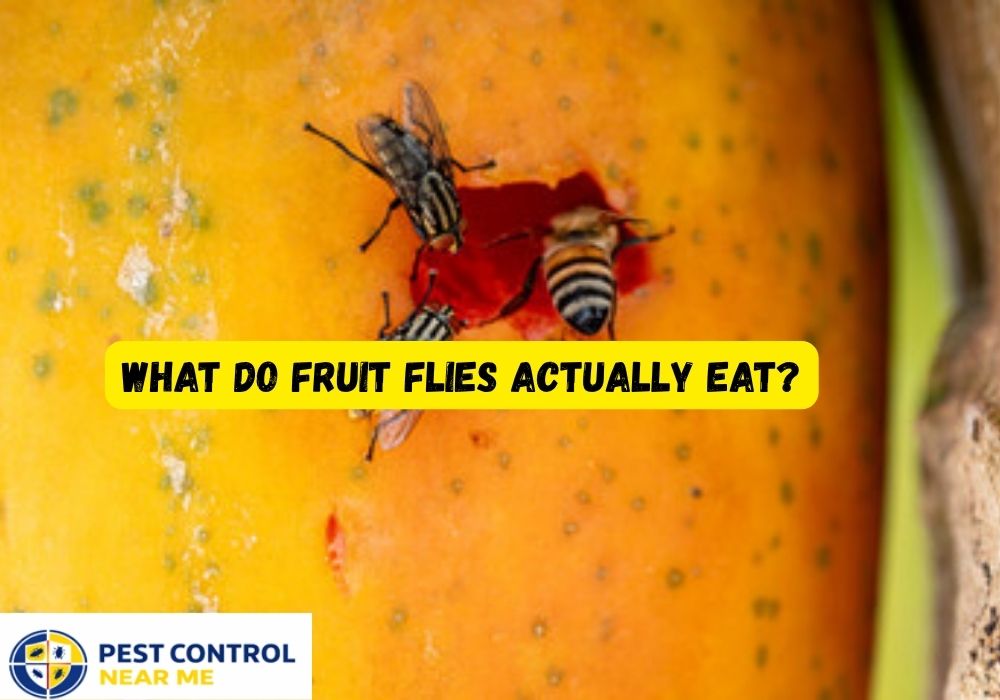
Fruit flies are attracted to:
- Overripe or rotting fruits and vegetables
- Sugary drinks and alcohol
- Fermenting juices
- Trash bins and recycling containers
- Dirty drains with organic buildup
They are especially drawn to anything that is fermenting. Even a small piece of banana left out overnight can attract them.
Read Our Latest Guides:
- Do Ants have Hearts, Kidney, Lungs, and Nose? 2026 Essential Guide
- How Many Legs Do Ants Have? Ant Life Cycle & Types
- Do Ants Have a Brain? How Intelligent Are Ants? How do they “talk”?
- Do Ants Sleep? 2026 Surprising Facts About Ants
How to Identify Fruit Flies in Your Home
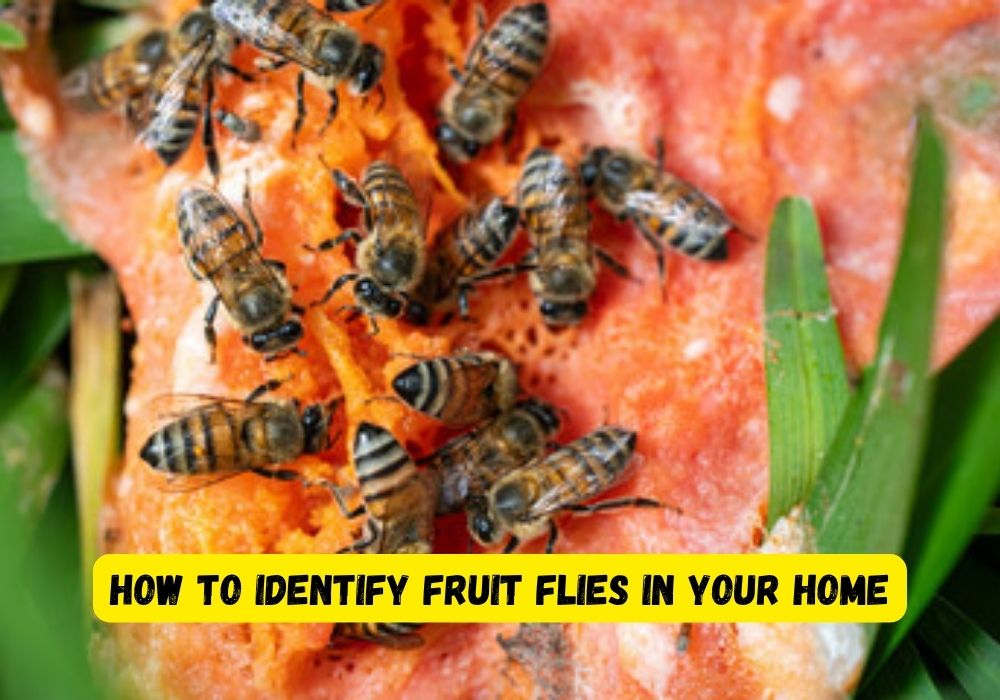
Correct identification is important because fruit flies are often confused with drain flies or fungus gnats.
Physical Characteristics
- Size: About 1/8 inch long
- Color: Tan, light brown, orange, or dark brown
- Eyes: Often bright red
- Body: Small and oval-shaped
Behavioral Clues
- Hovering around fruit bowls
- Swarming near trash cans
- Gathering around kitchen sinks and drains
- Appearing suddenly in large numbers
Fruit flies reproduce quickly. A single female can lay hundreds of eggs, which hatch within 24–30 hours in ideal conditions.
Fruit Flies vs Drain Flies vs Gnats
Here is a quick comparison to help you identify them:
| Feature | Fruit Flies | Drain Flies | Fungus Gnats |
| Size | ~1/8 inch | Slightly larger | Similar size |
| Color | Tan or orange | Gray, fuzzy | Dark, slender |
| Wings | Clear | Moth-like | Clear |
| Found Near | Fruit, trash | Drains | Houseplants |
| Do They Bite? | No | No | Rarely |
This table can help rule out fruit fly bites if you’re unsure which insect is present.
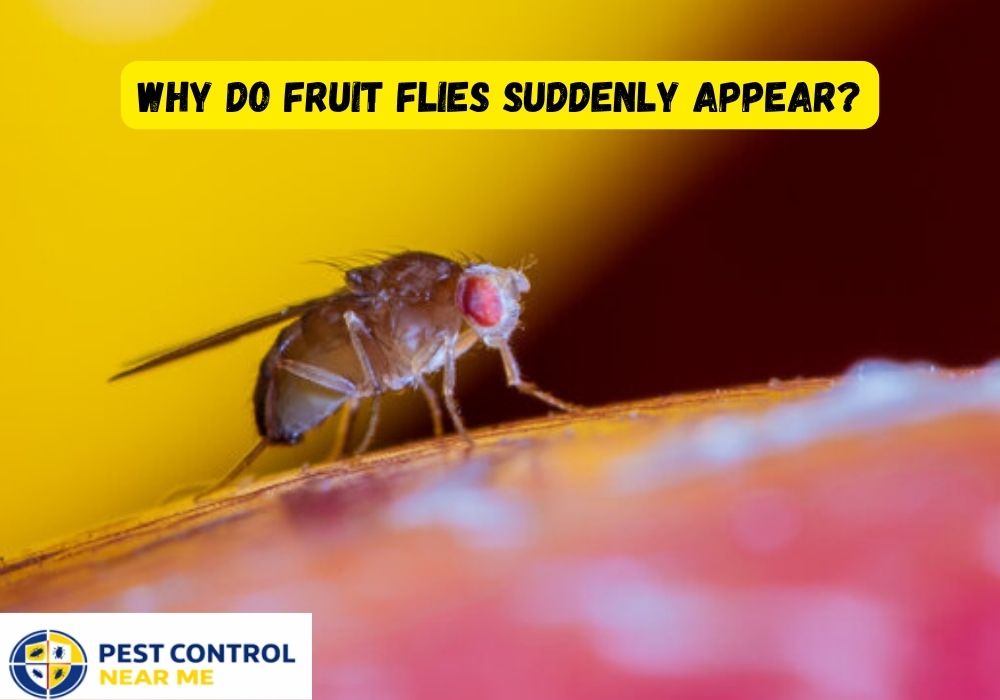
Why Do Fruit Flies Suddenly Appear?
Fruit flies are attracted to moisture and fermenting organic matter. They often enter homes through:
- Open windows and doors
- Grocery produce already carrying eggs
- Garbage bins
- Sink drains
Warm weather accelerates their breeding cycle, which is why infestations are more common in summer.
Our Guides on
- How Much is Pest Control for Mice in Grand Prairie, TX? 2026 Essential Guide
- Is Pest Control Safe for Pets? What Pet Owners Need to Know in 2026
- Who is Responsible for Pest Control When Renting in Texas?
- How long after pest control can I go inside? 2026 Essential Guide
How to Get Rid of Fruit Flies at Home
Getting rid of fruit flies requires eliminating their breeding source. Killing adult flies alone will not solve the problem.
Step 1: Remove Attractants
- Throw away overripe fruit
- Store produce in the refrigerator
- Empty trash daily
- Rinse recycling before storing
Step 2: Clean Drains Thoroughly
Fruit flies often lay eggs inside drain buildup. Use:
- An enzymatic drain cleaner
- Boiling water (carefully poured)
- A drain brush to scrub organic matter
Regular cleaning prevents larvae from developing.
Step 3: Use a DIY Fruit Fly Trap
A simple and effective method includes:
- Apple cider vinegar
- A few drops of dish soap
- A small bowl or jar
The vinegar attracts flies, and the soap breaks surface tension so they sink.
Step 4: Seal Entry Points
- Repair window screens
- Close doors quickly
- Keep food sealed
Consistency is key to fully eliminating the infestation.
Are Fruit Flies Harmful?
While fruit flies do not cause fruit fly bites, they can spread bacteria from waste to food surfaces. They are more of a contamination nuisance than a direct health threat.
The main problem is how quickly they multiply. Ignoring them can turn a few flies into dozens within days.
How Long Does It Take to Get Rid of Fruit Flies?
With proper cleaning and removal of breeding sources, most infestations can be controlled within one week. However, if moisture sources remain, they may return.
Prevention Tips
- Clean spills immediately
- Store fruits in sealed containers
- Take out trash regularly
- Clean kitchen sinks weekly
- Avoid leaving dirty dishes overnight
Prevention is easier than dealing with an infestation later.
Conclusion
So, do fruit flies bite? The answer is no. Fruit flies do not bite humans and cannot cause fruit fly bites. However, they can quickly invade kitchens if fermenting food, drains, or trash are left unchecked. The most effective solution is eliminating breeding sources, cleaning drains thoroughly, and using simple traps to reduce adult populations. With proper hygiene and prevention steps, you can keep your home fruit-fly free and avoid future infestations.
FAQs
Do fruit flies bite?
No, fruit flies do not bite humans. They lack biting mouthparts and cannot pierce skin.
What do fruit fly bites look like?
Fruit flies do not bite, so any itchy bumps are likely caused by another insect such as mosquitoes or gnats.
Why do fruit flies hover around me?
They are attracted to body heat, sweat, and sugary scents but do not bite.
Can fruit flies lay eggs in human skin?
No. Fruit flies lay eggs in fermenting organic matter, not on humans.
How fast do fruit flies reproduce?
Eggs can hatch within 24–30 hours under ideal conditions, leading to rapid infestations.
Are fruit flies worse in summer?
Yes, warm temperatures speed up their breeding cycle.

