

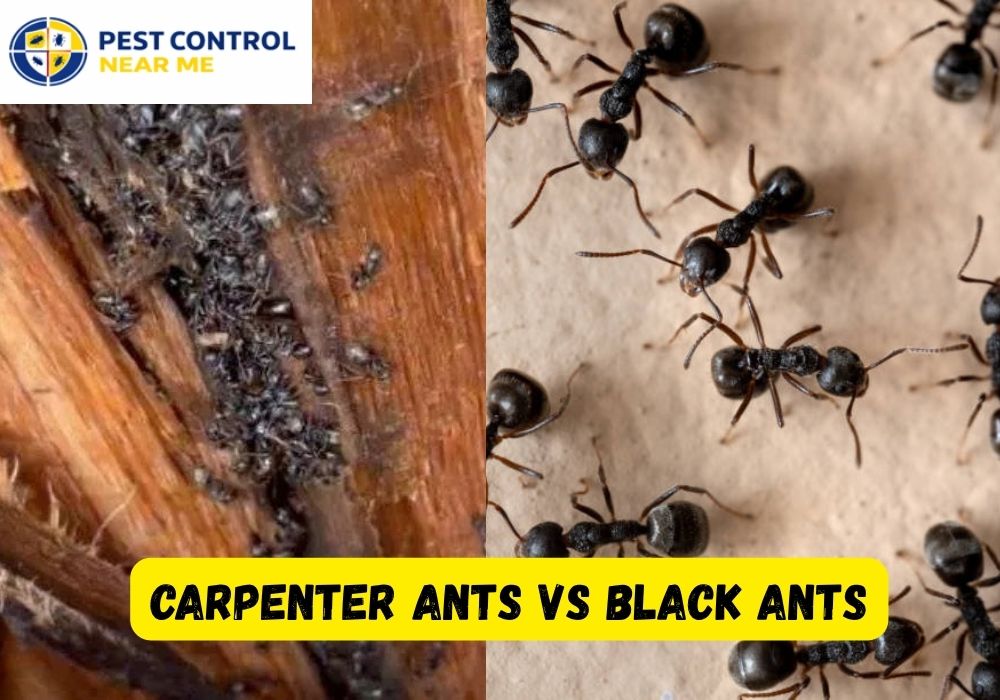
Many homeowners assume that all small dark ants invading their kitchen or bathroom are the same—but when it comes to carpenter ants vs black ants, the differences are significant.
Carpenter ants are usually much larger and may appear black, red, or a mix of both shades. Instead of feeding on wood, they hollow it out to create nesting tunnels inside walls, furniture, or wooden support structures. Black ants, in contrast, are smaller, uniformly black in color, and typically build their nests in soil or outdoor cracks—rarely causing any structural damage to homes.
Because both pests can look alike at first glance, understanding the black ants vs carpenter ants differences early can prevent long-term infestations and expensive repairs. Read our latest post on Carpenter Ants vs Termites: How to Tell the Difference & Signs in 2026
Carpenter Ants vs Black Ants: Comparison Table
| Feature | Carpenter Ants | Black Ants |
| Size | ¼ – ½ inch | ⅛ inch |
| Color | Black, reddish, mixed | Solid black |
| Nesting Area | Wood structures | Soil or pavement |
| Wood Damage | Yes | No |
| Sawdust (Frass) | Present | Absent |
| Thorax Shape | Smooth & rounded | Uneven |
| Colony Type | Satellite nests | Single outdoor nest |
| Risk Level | Structural damage | Household nuisance |
| Foraging Distance | Long | Short |
This is why reviewing pictures of black ants vs carpenter ants is often recommended when identifying infestations.
Appearance Differences of Carpenter Ants vs Black Ants
Carpenter Ants
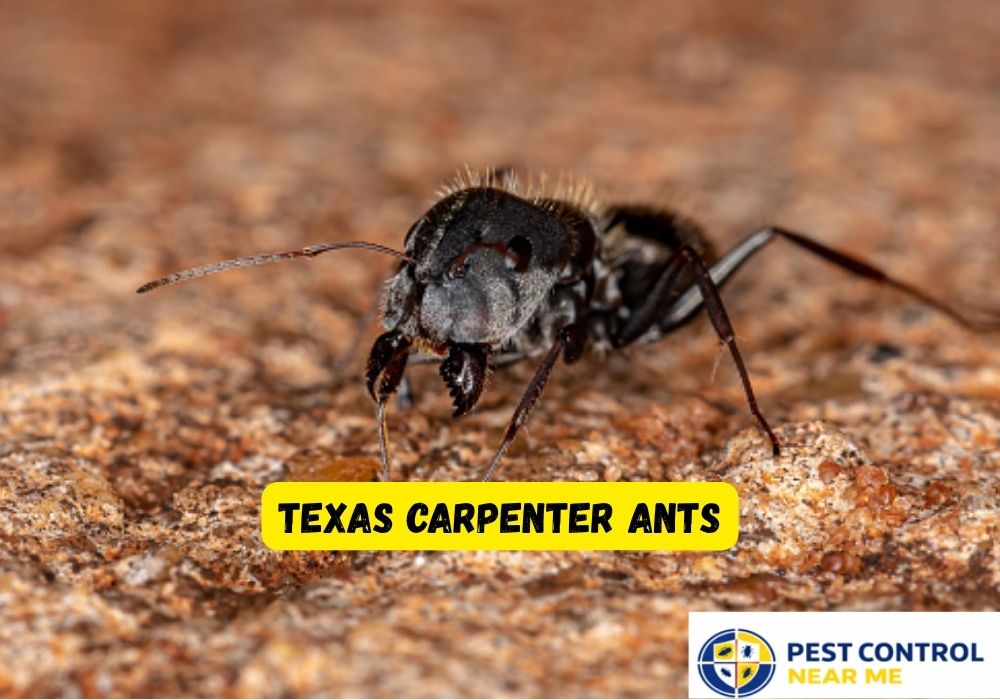
- Larger in size
- Rounded thorax
- Black or reddish body
- Winged swarmers in spring
- May resemble termites
Black Ants
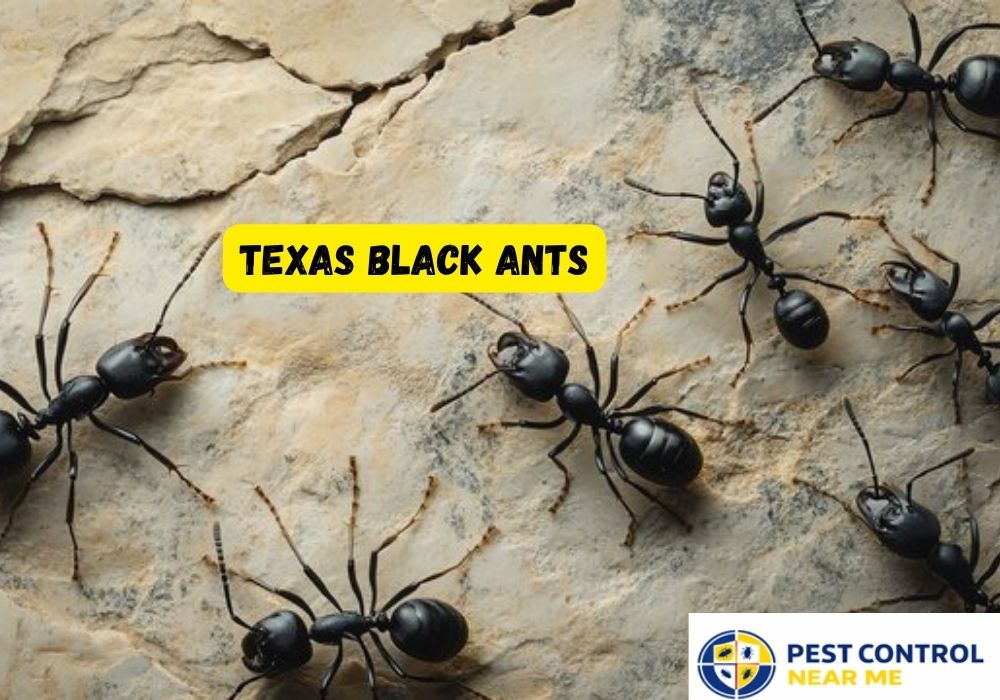
- Smaller and slimmer
- Uniform black color
- Uneven thorax
- Found near sugary foods
- Visible trail formation
Size is usually the easiest way to distinguish between carpenter ants vs black ants during early infestation stages.
Behavior Differences of Carpenter Ant & Black Ant
Carpenter Ant Behavior
- Tunnel into damp or decaying wood
- Create smooth internal galleries
- Leave behind sawdust-like material
- Travel long distances for food
- Mostly active at night
Black Ant Behavior
- Enter homes in search of food
- Prefer sugary or greasy substances
- Build outdoor colonies
- Follow pheromone trails
- Active during daytime
Black ants are mostly a nuisance, while carpenter ants may indicate internal structural risks.
Nesting Habits
Carpenter ants commonly nest in:
- Wall voids
- Wooden beams
- Window frames
- Attic supports
- Moist basement wood
Black ants usually nest in:
- Garden soil
- Pavement cracks
- Under tiles
- Outdoor debris
- Lawn areas
If ants are emerging from wooden surfaces indoors, you may be dealing with carpenter ants.
Carpenter Ant & Black Ant Life Cycle Differences
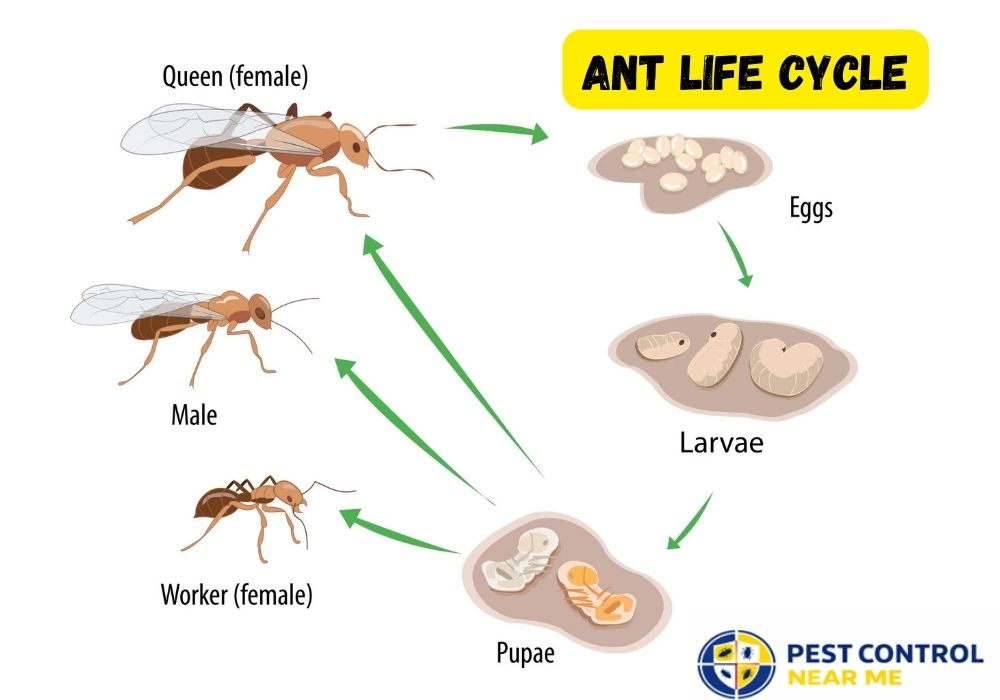
Carpenter Ant Life Cycle
- Egg
- Larva
- Pupa
- Adult
Colony maturity may take 2–3 years and can contain thousands of workers once fully developed.
Black Ant Life Cycle
Black ants go through:
- Egg
- Larva
- Pupa
- Adult
However, their colonies grow faster and are generally located outdoors.
Wood Ant vs Black Ant: What’s the Difference?
Carpenter ants are sometimes referred to as wood ants because of their nesting behavior. Unlike regular black ants, they excavate wooden structures to create internal tunnels, which can weaken floors, furniture, and support beams over time.
Conclusion
Knowing the differences between black ants vs carpenter ants can help homeowners identify infestations early and prevent serious damage. While black ants are typically harmless pests searching for food, carpenter ants may silently weaken wooden structures by nesting inside them. Read more How Many Legs Do Ants Have? Ant Life Cycle & Types
By comparing behavior, nesting patterns, and reviewing pictures of black ants vs carpenter ants, you can determine whether you’re dealing with a simple nuisance—or a potential structural threat.
Early detection and timely pest control are key to keeping your home safe in 2026.
FAQs
How to Tell the Difference Between Black Ants and Carpenter Ants?
Carpenter ants are larger and nest inside wood, while black ants are smaller and typically nest in soil or pavement cracks.
What Is the Lifecycle of a Carpenter Ant?
Carpenter ants develop from egg to larva to pupa before becoming adults. Colony growth may take several years.
What Is the Difference Between a Wood Ant and a Black Ant?
Wood ants (carpenter ants) tunnel through wood for nesting. Black ants usually nest outdoors and do not damage wooden structures.
What Is the Life Cycle of a Black Ant?
Black ants undergo complete metamorphosis—egg, larva, pupa, and adult—with colonies developing more rapidly.
What Is the Behavior of an Ant?
Ants search for food, communicate using pheromones, protect their colony, and expand nesting areas.
How Long Is the Life Cycle of an Ant?
Depending on species, the full life cycle may take several weeks to a few months.
How Long Do Ants Live Without Food?
Worker ants can survive up to 1–2 weeks without food but require moisture to live longer.
What Smell Do Ants Hate?
Ants dislike strong scents like peppermint, vinegar, citrus, and tea tree oil.
Do Ants Have Eyes or Not?
Yes, ants have compound eyes but rely more heavily on scent and touch for navigation.

