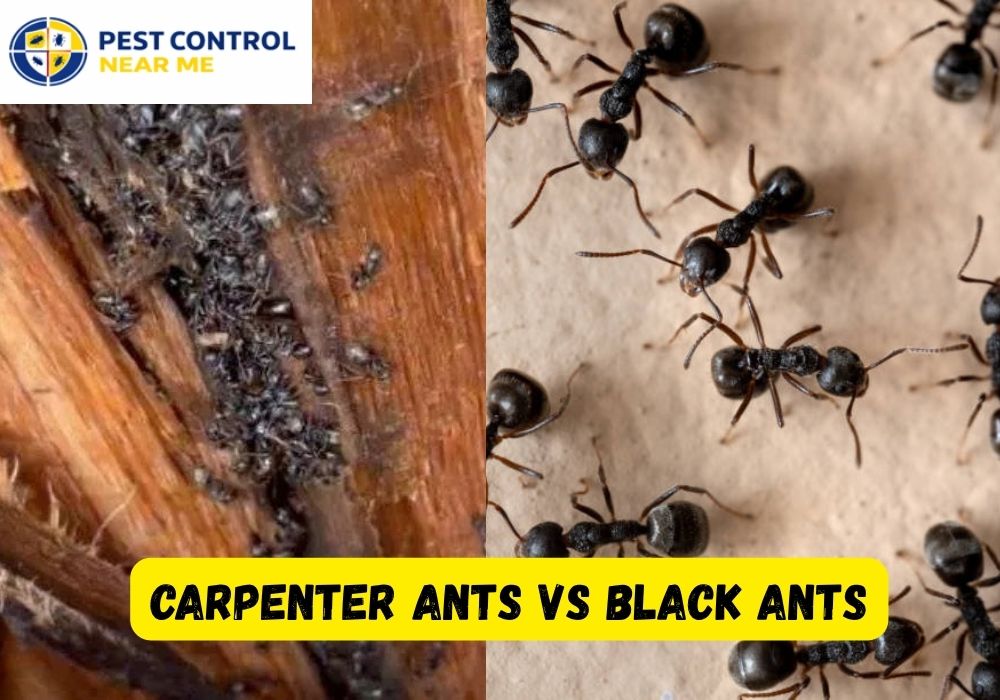
When you spot insects crawling around your home — especially near wooden structures — panic is natural. The biggest concern most homeowners have is whether they’re dealing with termites or carpenter ants. And honestly, it’s a fair worry because both pests target wood and can silently damage your property over time.
However, understanding the difference between termites vs carpenter ants is crucial because the type of pest infestation determines the level of damage risk and the treatment approach required.
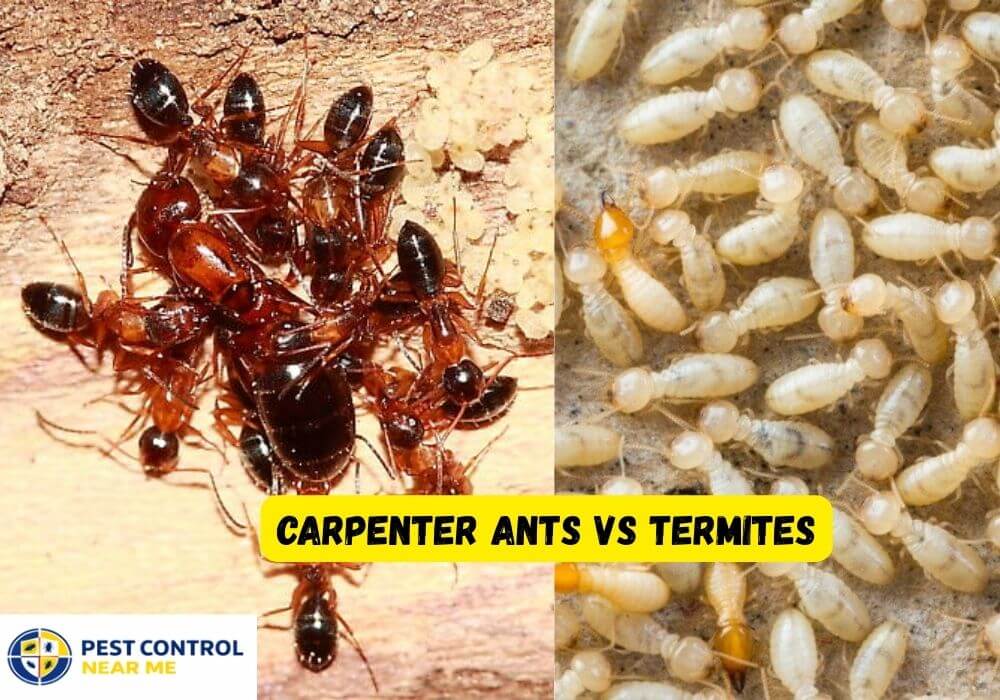
While both pests are often confused with each other, carpenter ants and termites differ significantly in appearance, behavior, and the kind of damage they cause. For instance, carpenter ants have a narrow, pinched waist, elbowed antennae, and front wings that are longer than the hind wings. Termites, on the other hand, have a broad, straight body, straight antennae, and wings of equal length.
More importantly, carpenter ants don’t eat wood — they excavate it to build nests, leaving behind fine sawdust-like debris known as frass. Termites actually consume wood from the inside out and often build protective mud tubes to travel between their colony and food source.
Carpenter Ants vs Termites: Quick Comparison Table
| Feature | Carpenter Ants | Termites |
| Body Shape | Pinched or narrow waist | Straight, broad body |
| Antennae | Elbowed (bent) | Straight |
| Wing Length | Unequal (front wings longer) | Equal-sized wings |
| Color | Black, red, or dark brown | Creamy white or light brown |
| Wood Damage | Hollow out wood to nest | Eat wood for nutrition |
| Debris | Leave sawdust (frass) | Leave mud tubes |
| Activity Time | Mostly at night | 24/7 (silent feeders) |
| Damage Speed | Slower | Rapid structural damage |
Signs of Carpenter Ants vs Termites
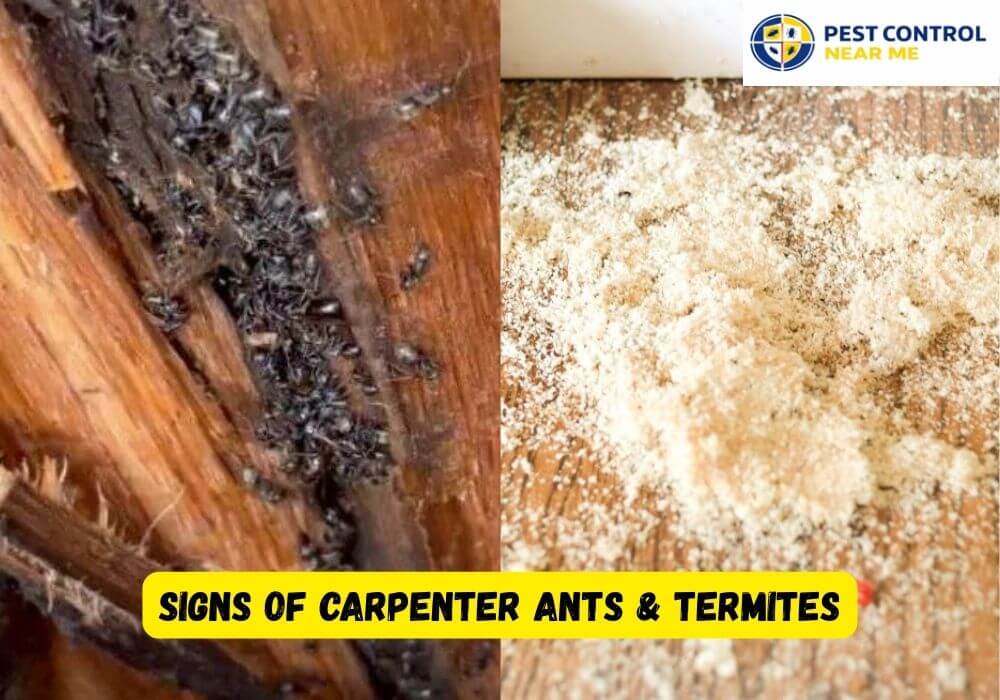
It’s not always easy to see the insects themselves, so knowing the early warning signs can make all the difference.
Signs of Carpenter Ants
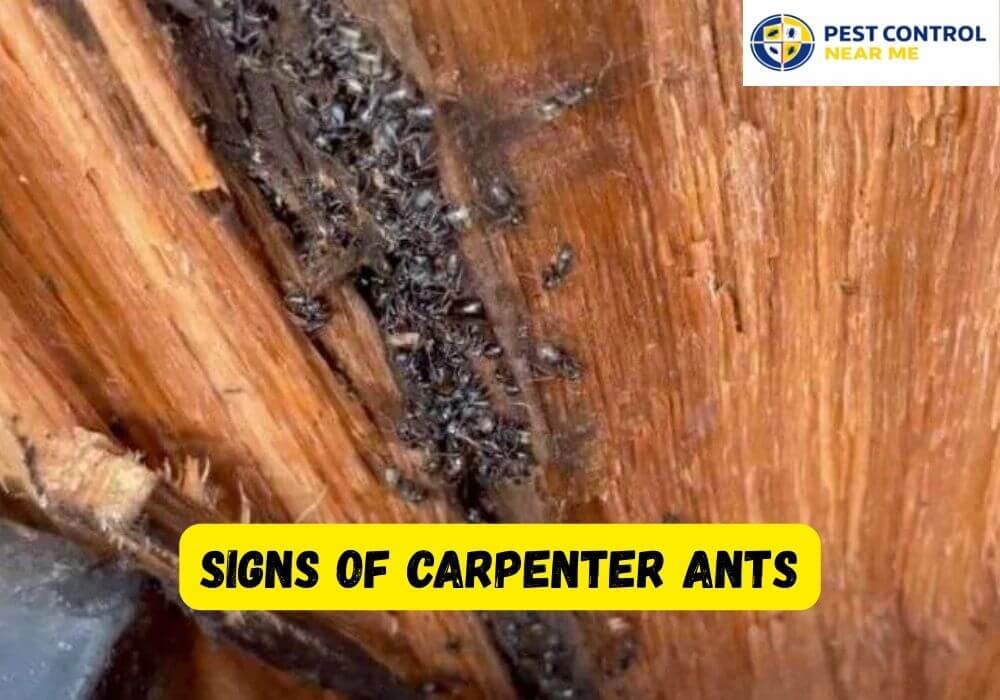
- Small piles of sawdust-like material near wooden structures
- Faint rustling noises inside walls
- Winged ants inside the home
- Smooth, sanded-looking tunnels in wood
- Presence of large black ants near moisture-prone areas like kitchens or bathrooms
Carpenter ants are particularly attracted to damp or decaying wood. That’s why homes with leaks, poor ventilation, or water damage are more likely to experience infestations.
Signs of Termites
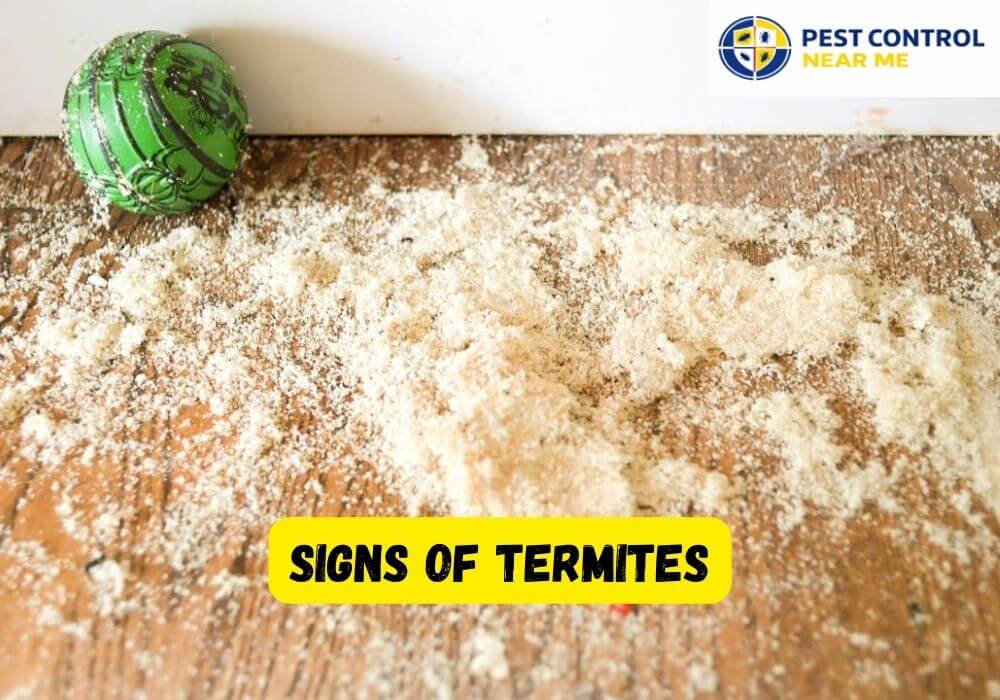
- Mud tubes along walls, ceilings, or foundations
- Discarded wings near windows or doors
- Hollow-sounding wood when tapped
- Bubbling or peeling paint
- Tight-fitting doors or windows due to warped wood
Termites often remain hidden for months or even years, feeding inside wooden structures without immediate visible signs — which makes them especially dangerous.
Carpenter Ants vs Termites: Damage Differences
Another key point in the carpenter ants vs termites debate is the type of damage they cause.
Carpenter ants carve out tunnels to create nests, weakening wood over time but not consuming it. This means you may find structural wood that appears intact from the outside but is hollow internally.
Termites, by contrast, consume cellulose found in wood, leading to severe structural deterioration. Over time, this can compromise support beams, flooring, and even the foundation of your home.
Flying Ants or Termites?
During warmer months — particularly spring and early summer — both termites and carpenter ants may produce winged swarmers.
Here’s how to tell:
- Flying ants have bent antennae and uneven wings
- Termite swarmers have straight antennae and wings of equal length
Swarming is often the first visible sign of an established colony nearby. You can explore our detailed guide on Flying Ants vs Termites: Appearance, Behavior & Life Cycle Differences
Conclusion
Understanding the differences between termites vs carpenter ants can save your home from extensive and expensive structural damage. While both pests target wood, termites consume it and can silently destroy the integrity of your property, whereas carpenter ants excavate wood to create nests.
By identifying the early signs of carpenter ants vs termites such as frass, mud tubes, discarded wings, or hollow wood.
If you suspect any wood-damaging pests in your home, prompt inspection and professional pest control treatment are essential to prevent long-term damage and ensure your property remains structurally safe.
FAQs
How do I know if I have termites or carpenter ants?
Check for mud tubes and hollow-sounding wood — these usually indicate termites. Sawdust-like debris and visible large ants suggest carpenter ants.
What month are carpenter ants most active?
Carpenter ants are typically most active between March and September, especially during warm and humid conditions.
Can carpenter ants be mistaken for termites?
Yes. Winged carpenter ants are often mistaken for termite swarmers, especially during spring mating seasons.
What does it look like if I have carpenter ants?
You may notice large black ants indoors, piles of frass (wood shavings), or hear faint rustling noises inside wooden walls.
What are the first signs of termites?
Mud tubes on walls or foundations and discarded wings near windows are among the earliest warning signs.
What is the hardest ant to get rid of?
Carpenter ants are among the most difficult ants to eliminate because they often nest deep inside wooden structures.
Why shouldn’t you squish ants?
Squishing ants can release pheromones that attract more ants to the same location.
Does the Queen Carpenter ant ever come out?
No, the queen usually remains hidden inside the nest and rarely leaves once the colony is established.
What is an ant’s worst enemy?
Natural predators such as spiders, birds, and certain beetles prey on ants.