When homeowners notice winged insects or wood damage, the first question is often: is it wood ants vs termites? In 2026, identifying the difference quickly can save thousands in repairs.
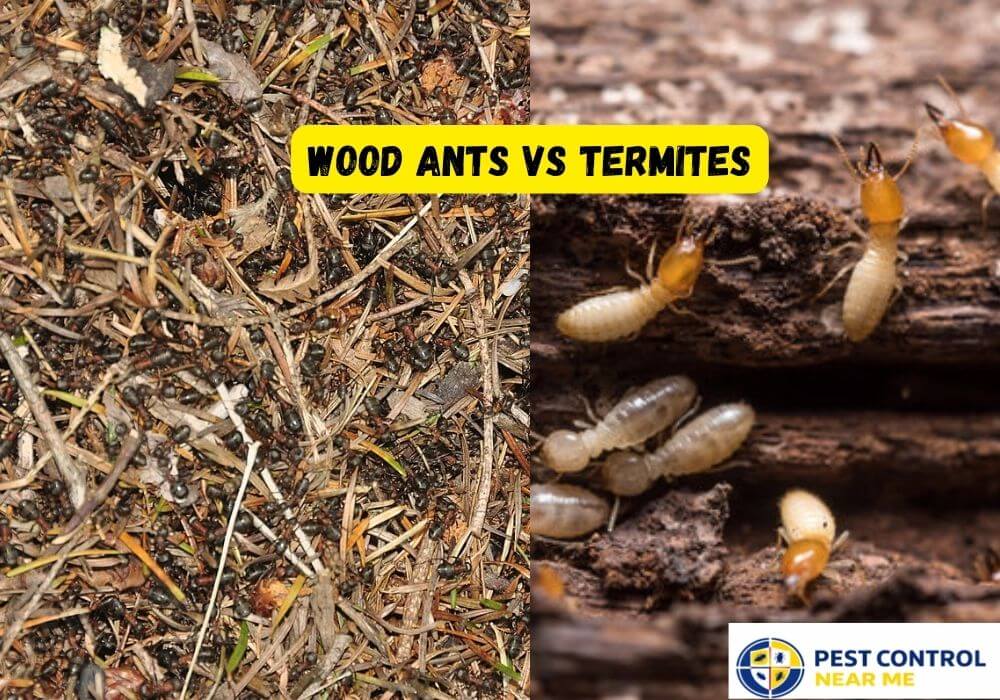
Carpenter ants (often called wood ants) and termites look similar at first glance, especially during swarming season. But they differ in body shape, antennae, wings, and the type of damage they leave behind. Ants have narrow, pinched waists, elbowed antennae, and uneven wings. They create smooth tunnels and leave sawdust-like debris. Termites have straight, tube-shaped bodies, straight bead-like antennae, and equal-length wings. They cause structural damage and leave wood-colored droppings (frass) or mud tubes.
Let’s break it down clearly so you can tell the difference with confidence.
What Are Wood Ants?
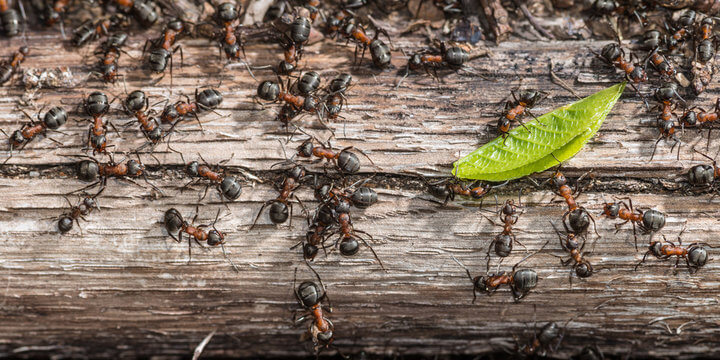
Wood ants typically refer to carpenter ants. These large ants tunnel into wood to build nests but do not eat wood like termites do.
They prefer moist, decaying wood but can expand into dry structural wood over time.
Key Features of Carpenter (Wood) Ants
- Pinched waist
- Elbowed antennae
- Front wings longer than back wings
- Smooth, sanded-looking tunnels
- Piles of sawdust-like debris (frass)
They hollow wood to create galleries but do not consume it.
Read Our Latest Posts on:
Carpenter Ants vs Black Ants: Appearance, Behavior & Life Cycle Differences
Do Ants have Hearts, Kidney, Lungs, and Nose? 2026 Essential Guide
How Many Legs Do Ants Have? Ant Life Cycle & Types
Do Ants Have a Brain? How Intelligent Are Ants? How do they “talk”?
Do Ants Sleep? 2026 Surprising Facts About Ants
What Are Termites?
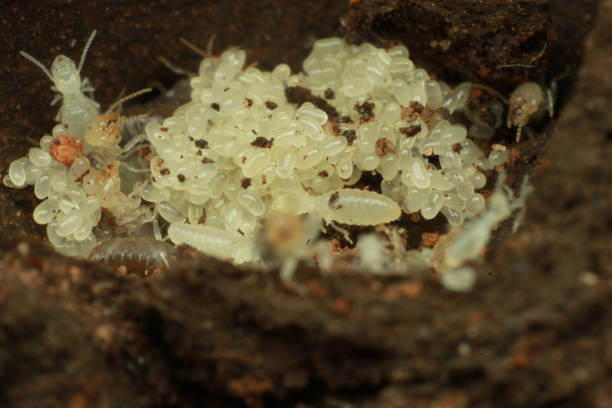
Termites are wood-destroying insects that feed on cellulose found in wood. They live in colonies and can silently damage structural beams, floors, and walls.
Key Features of Termites
- Straight, thick waist
- Straight, beaded antennae
- Equal-length wings
- Mud tubes (subterranean species)
- Wood-colored pellet droppings (drywood species)
Termites consume wood from the inside out.
Wood Ants vs Termites: Side-by-Side Comparison
| Feature | Wood Ants (Carpenter Ants) | Termites |
| Waist Shape | Narrow / Pinched | Thick / Straight |
| Antennae | Elbowed | Straight & Beaded |
| Wings | Uneven length | Equal length |
| Wood Damage | Hollow smooth tunnels | Rough interior damage |
| Debris | Sawdust piles | Frass pellets or mud tubes |
| Do They Eat Wood? | No | Yes |
This table makes it easier to identify wood ants vs termites during inspection.
Signs You Have Carpenter Ants
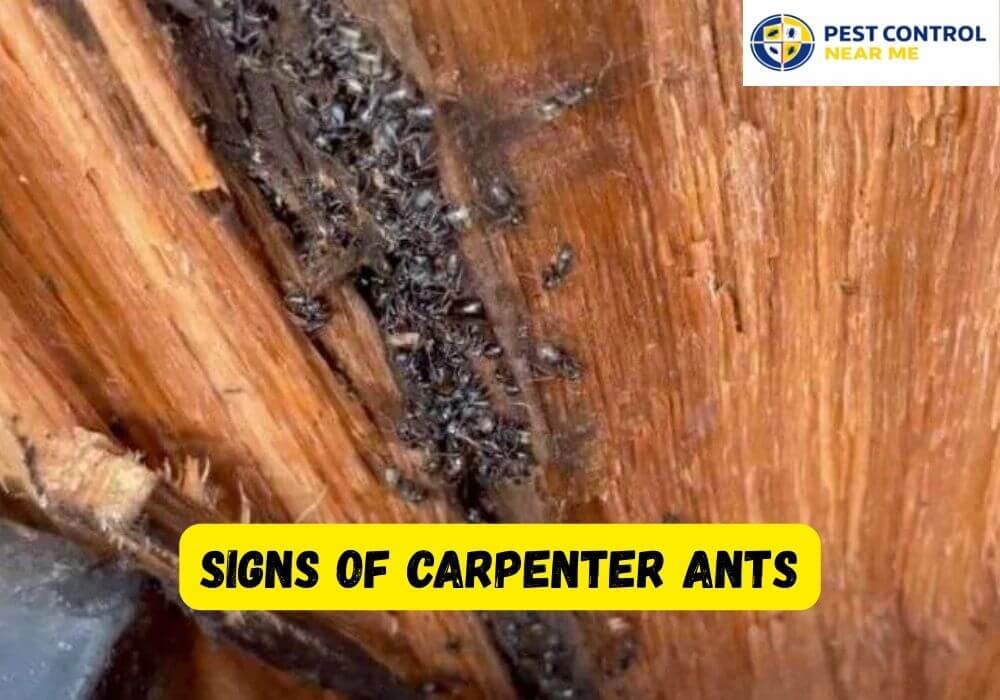
- Rustling sounds inside walls
- Visible large black ants indoors
- Sawdust beneath wooden beams
- Moist or rotting wood areas
Seeing a single carpenter ant doesn’t always mean infestation, but repeated sightings should raise concern.
Signs You Have Termites
- Discarded wings near windows
- Mud tubes along foundations
- Hollow-sounding wood
- Blistered or bubbling paint
- Pellet droppings under wooden furniture
Termite damage often goes unnoticed for years.
Which Is Worse: Wood Ants or Termites?
In the wood ants vs termites debate, termites usually cause more severe structural damage because they consume wood continuously. Carpenter ants can still weaken structures but often expand more slowly.
However, both require prompt attention.
What Attracts Carpenter Ants?
- Moisture-damaged wood
- Poor ventilation
- Leaky pipes
- Decaying tree stumps near home
Fixing moisture problems reduces infestation risk.
What Attracts Termites?
- Wood-to-soil contact
- High humidity
- Foundation cracks
- Unsealed exterior wood
Termite prevention often involves moisture control and barrier treatments.
How Long Does It Take to Cause Damage?
Carpenter ants may take several years to cause noticeable structural weakening. Termites can cause significant damage within 3–8 years depending on colony size.
Early inspection is critical.
How to Get Rid of Wood Ants
- Remove moisture sources
- Replace damaged wood
- Use bait systems
- Apply insecticide treatments
- Seal entry points
Professional pest control is recommended for large colonies.
What Is the Biggest Enemy of Termites?
Natural predators include ants and certain nematodes, but professional chemical or bait treatments remain the most effective solution.
Conclusion
Understanding wood ants vs termites is essential for protecting your home in 2026. Carpenter ants have pinched waists, elbowed antennae, and leave sawdust-filled tunnels. Termites have straight bodies, equal-length wings, and cause deeper structural destruction. Because both insects damage wood differently, early identification ensures faster treatment and lower repair costs. If you notice suspicious signs, act quickly to prevent long-term damage.
FAQs
How do I know if it’s termites or carpenter ants?
Check antennae and waist shape. Elbowed antennae and pinched waist indicate ants. Straight antennae and thick waist indicate termites.
Which are worse, termites or carpenter ants?
Termites are generally worse because they eat wood and can cause more extensive structural damage.
How do you get rid of wood ants?
Eliminate moisture, remove damaged wood, seal cracks, and use bait or insecticide treatments.
Are wood ants and termites the same thing?
No. Carpenter ants tunnel into wood but do not eat it. Termites consume wood.
What is the biggest enemy of termites?
Professional termite treatments, including bait systems and liquid barriers, are the most effective control methods.
Should I be worried if I see a carpenter ant in my house?
One ant may not mean infestation, but repeated sightings suggest a nearby nest.
What attracts carpenter ants into a house?
Moist, decaying wood and accessible food sources.
What causes wood ants?
Moisture damage and untreated wood create ideal nesting conditions.
How long does it take for carpenter ants to destroy your house?
Significant damage may take several years, but large colonies can accelerate structural weakening.