

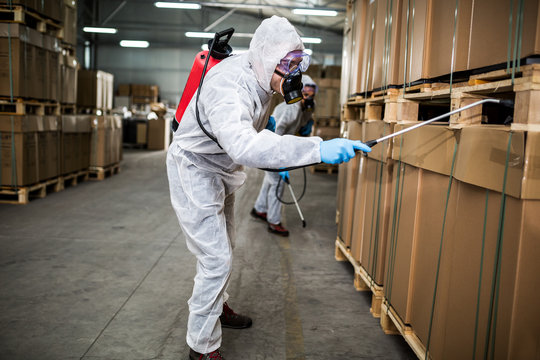
If you’re searching for what is commercial pest control, you’re likely a business owner who understands that pests aren’t just a nuisance, they are a threat to your reputation, revenue, and regulatory compliance.
Commercial pest control refers to professional, customized, and preventive pest management services designed specifically for business environments such as offices, restaurants, warehouses, retail stores, medical facilities, schools, and hotels. Unlike residential pest control, commercial services focus heavily on strict health codes, high customer traffic, brand protection, and long-term prevention strategies like Integrated Pest Management (IPM).
In growing cities like Grand Prairie, businesses face increasing pest pressures due to urban expansion, climate conditions, and dense commercial activity. That’s why choosing the right commercial pest control company in 2026 is more important than ever.
What Is Commercial Pest Control?
Commercial pest control is a structured, ongoing pest management program designed to:
- Eliminate active infestations
- Prevent future pest problems
- Maintain compliance with state and federal regulations
- Protect inventory, property, and brand reputation
Unlike one-time home treatments, commercial pest control is typically:
- Contract-based (monthly or quarterly)
- Inspection-driven
- Documentation-focused for audits
- Customized for specific industries
It often uses Integrated Pest Management (IPM), a strategic approach that combines inspection, monitoring, exclusion, sanitation recommendations, and targeted treatments to minimize chemical use while maximizing effectiveness.
Commercial vs. Residential Pest Control
Here is how commercial pest control differs from residential services:
| Feature | Commercial Pest Control | Residential Pest Control |
| Service Frequency | Ongoing contracts | Often one-time or seasonal |
| Compliance Requirements | Must meet health & safety regulations | Minimal regulatory oversight |
| Documentation | Detailed service logs for inspections | Limited paperwork |
| Scale | Large buildings & multiple units | Single-family homes |
| Pest Pressure | High due to foot traffic & inventory | Moderate |
Industries That Need Commercial Pest Control
Businesses most at risk include:
1. Restaurants & Food Service
Rodents, cockroaches, and flies can shut down operations overnight.
2. Warehouses & Distribution Centers
Stored goods attract rodents and stored-product pests.
3. Hotels
Bed bugs and cockroaches damage guest reviews and reputation.
4. Healthcare Facilities
Strict sanitation standards require proactive monitoring.
5. Offices & Retail Stores
Even minor pest sightings can harm brand image.
What Does a Commercial Pest Technician Do?
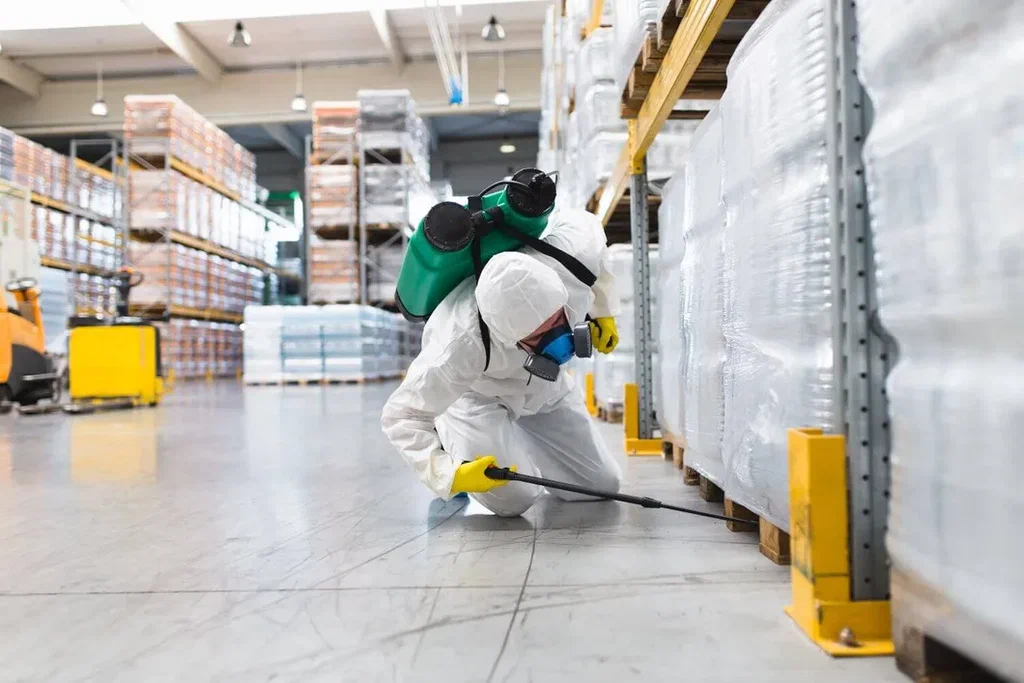
A commercial pest technician does far more than “spray and leave.” Their responsibilities include:
- Conducting detailed inspections
- Identifying pest species and entry points
- Designing customized treatment plans
- Installing monitoring systems
- Sealing cracks and recommending exclusion methods
- Providing documentation for audits
- Educating staff on sanitation practices
In Texas, technicians must be licensed and trained to apply commercial-grade products safely. Last we published a post on How Long After Pest Control Can i Go Inside? 2026 Essential Guide
The Three Types of Pest Control
There are three primary pest control methods:
1. Chemical Control
Use of approved pesticides to eliminate infestations.
2. Biological Control
Using natural predators or eco-friendly methods.
3. Physical/Mechanical Control
Traps, exclusion barriers, heat treatments, and sealing entry points.
Modern commercial pest control combines all three under Integrated Pest Management (IPM).
What Pests Are Most Common in Grand Prairie Businesses?
Due to Texas heat and urban growth, businesses frequently encounter:
Rodents and cockroaches are particularly difficult because they reproduce rapidly and hide in structural voids.
What Pests Are Hardest to Get Rid Of?
The hardest pests to eliminate include:
- Bed bugs – Require heat or specialized treatment
- German cockroaches – Resistant and reproduce quickly
- Termites – Cause hidden structural damage
- Rodents – Constant re-entry risk
These pests require ongoing monitoring rather than one-time treatment. Read also our latest post on Is Pest Control Worth It in Texas? 2026 Detailed Guide
How Much Does Commercial Pest Control Cost in 2026?
Costs vary depending on:
- Size of the building
- Type of business
- Severity of infestation
- Frequency of service
Average Commercial Pest Control Costs:
- Small office: $150–$300 per month
- Restaurant: $250–$600 per month
- Warehouse: $500–$2,000+ per month
For comparison:
How Much Is a Full House Pest Control?
Residential treatments typically range from:
- $150–$400 for general pest control
- $1,000–$3,000 for termite treatments
What Pests Are Most Expensive to Remove?
- Termites (structural treatment required)
- Bed bugs (heat treatment is costly)
- Severe rodent infestations (requires exclusion work)
What Is the Difference Between Pest Control and Extermination?
Many people confuse these terms.
Extermination focuses on killing pests immediately.
Pest control focuses on long-term prevention and management.
Modern commercial services emphasize prevention, monitoring, and environmental control rather than just spraying chemicals.
Is It Cheaper to Do Pest Control Yourself?
DIY methods may seem cheaper initially, but for commercial properties:
- Store-bought products are less effective
- No regulatory documentation
- Risk of improper chemical use
- Higher long-term damage costs
For businesses, professional commercial pest control is almost always more cost-effective in the long run.
Why Businesses in Grand Prairie Need Proactive Pest Control in 2026
Grand Prairie’s rapid development between Dallas and Fort Worth increases pest migration and activity. Warm climate conditions allow year-round breeding cycles for many pests.
This makes preventive commercial pest control essential rather than optional.
How to Choose the Best Commercial Pest Control Company in Grand Prairie
Look for a company that offers:
- Licensed and insured technicians
- Experience in your industry
- IPM-based approach
- Clear documentation
- Transparent pricing
- Emergency response services
- Positive local reviews
A reputable company will customize a program specifically for your facility type and size.
Conclusion
Now that you understand what commercial pest control is, it is clear that it goes far beyond simple extermination. It is a proactive, strategic, and compliance-driven approach to protecting your business from financial loss, property damage, and reputational harm.
In 2026, with stricter health regulations and increasing pest pressures in Grand Prairie, Texas, businesses cannot afford reactive solutions. Partnering with a trusted commercial pest control company ensures your facility remains clean, compliant, and pest-free year-round.
If you operate a restaurant, warehouse, hotel, office, or retail business in Grand Prairie, investing in professional commercial pest control is not just a service — it is business protection.
FAQs
What does commercial pest control mean?
Commercial pest control is a professional service designed to prevent and eliminate pests in business environments while maintaining regulatory compliance and protecting reputation.
What are the three types of pest control?
Chemical, biological, and mechanical/physical pest control methods.
What does a commercial pest technician do?
They inspect, identify pests, apply treatments, install monitoring systems, provide compliance documentation, and design prevention strategies.
How much does it cost for professional pest control?
Commercial services range from $150 to $2,000+ per month depending on size and industry.
What pests are hardest to get rid of?
Bed bugs, German cockroaches, termites, and rodents are among the most challenging.
How much is a full house pest control?
Typically $150–$400 for general treatment, higher for termites or severe infestations.
What pests are most expensive to remove?
Termites and bed bugs due to specialized treatment requirements.
What is the difference between pest control and extermination?
Extermination focuses on killing pests immediately, while pest control emphasizes long-term prevention and management.
Is it cheaper to do pest control yourself?
DIY may seem cheaper in the short term, but professional services prevent costly recurring infestations and compliance issues.

