

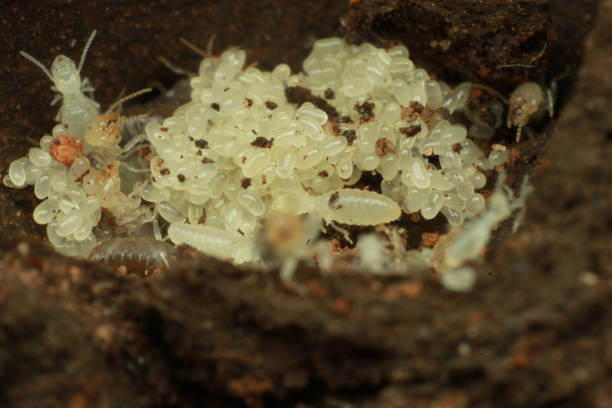
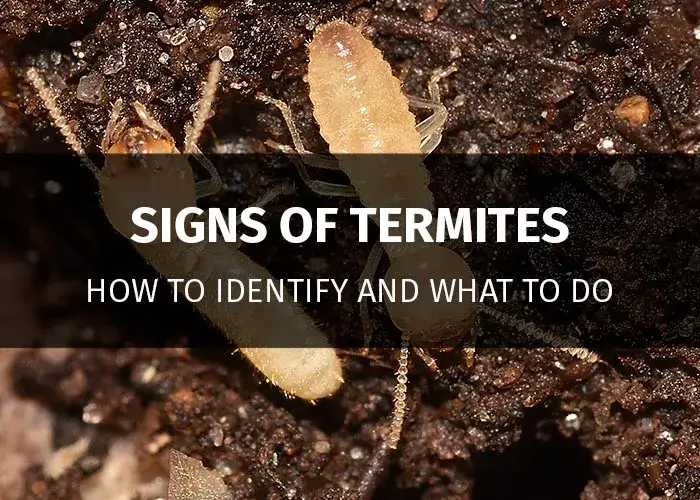
If you’ve spotted tiny, pale insects inside wood, soil, or near baseboards, you may be looking at Tiny Baby Termites. These young termites, known as nymphs, are extremely small—usually less than 1/8 inch long. They have soft, light-colored bodies, straight antennae, and thick waists (unlike ants). They don’t have wings and rely on worker termites to feed and protect them.
Finding them is often a warning sign of an active and developing infestation. In 2026, termite damage remains one of the costliest home repair issues in the U.S., making early identification critical.
Let’s break down everything you need to know, including the actual size tiny baby termites, how to identify drywood tiny baby termites, and what to do if you find them.
What Are Tiny Baby Termites?
Baby termites are called nymphs. They hatch from eggs laid by the queen and gradually develop into workers, soldiers, or reproductive termites (alates).
Unlike adult swarmers, baby termites:
- Are creamy white or translucent
- Have soft bodies
- Are wingless
- Measure under 1/8 inch
- Live deep inside wood or underground
They are rarely seen out in the open unless wood is broken open or a colony is severely disturbed.
Actual Size Tiny Baby Termites
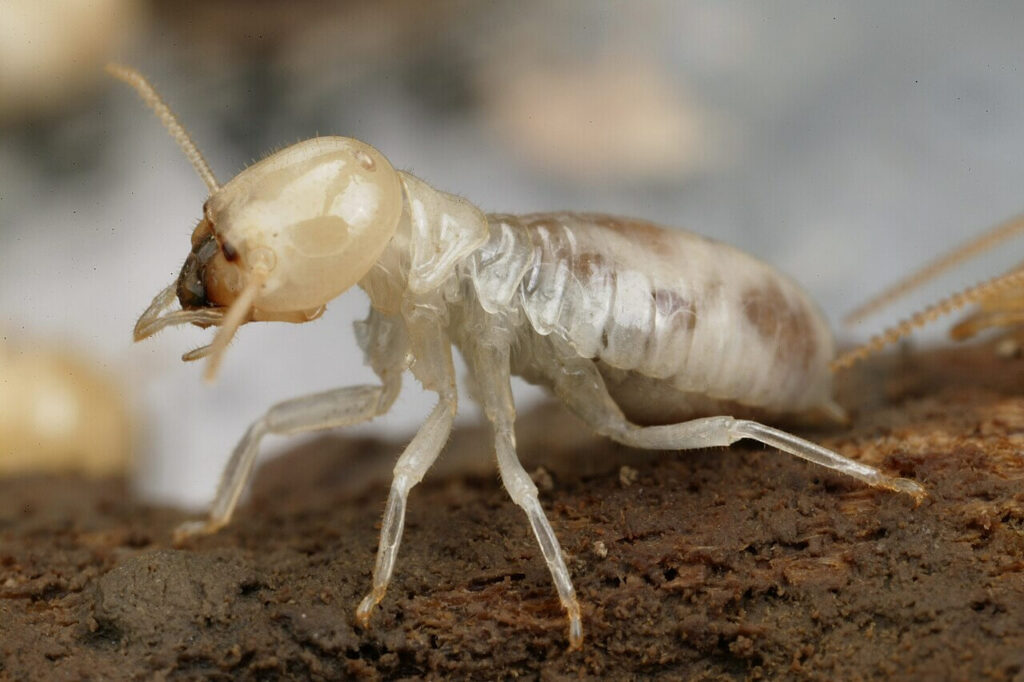
Understanding the actual size tiny baby termites reach helps distinguish them from ants or other small pests.
| Stage | Size | Color | Wings | Role |
| Egg | 1 mm or smaller | White | No | Hatching stage |
| Nymph (Tiny Baby Termite) | 1/16–1/8 inch | Creamy white | No | Developing caste |
| Worker | 1/8 inch | Pale | No | Feeds colony |
| Swarmers (Alates) | 3/8–1/2 inch | Dark brown/black | Yes | Reproduce |
Most homeowners mistake nymphs for ant larvae, but ant larvae look more grub-like and lack visible legs.
Drywood Tiny Baby Termites vs. Subterranean
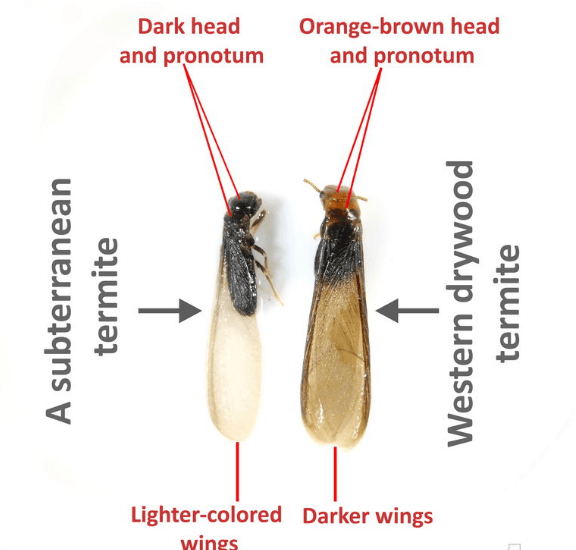
Not all baby termites live the same way.
Drywood Tiny Baby Termites
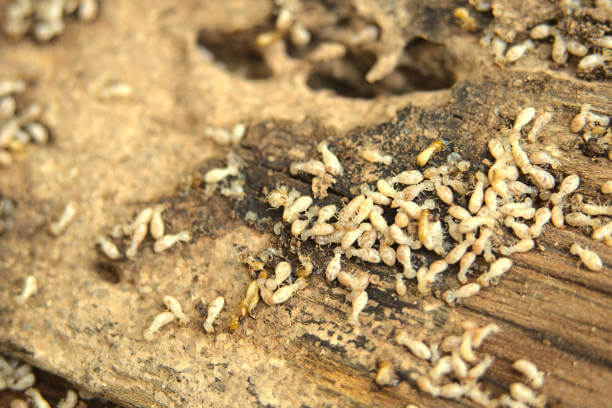
Associated with drywood termite species, these live entirely inside wooden structures. They do not require soil contact. Read our latest post on Is Pest Control Safe for Pets? What Pet Owners Need to Know in 2026
Characteristics:
- Found in dry lumber, attic beams, furniture
- Produce pellet-like droppings (frass)
- Colonies grow slowly but silently
- No mud tubes
Subterranean Tiny Baby Termites
These species live underground and build mud tubes to access wood.
Characteristics:
- Found in soil or near foundations
- Require moisture
- Cause faster structural damage
- Often discovered near basements or crawl spaces
Both types are destructive, but subterranean colonies tend to grow much larger.
Why Are Tiny Baby Termites Dangerous?
While baby termites themselves are still developing, their presence confirms:
✔ An established queen laying eggs
✔ Active feeding workers nearby
✔ Ongoing structural damage
By the time you see nymphs, the colony may have been active for months or years.
Signs You Have Tiny Baby Termites
Look for:
- Hollow-sounding wood
- Discarded wings near windows (from swarmers)
- Mud tubes along walls
- Small piles of pellet-like droppings (drywood species)
- Bubbling paint or warped wood
If wood is cracked open and you see tiny, pale insects moving inside, those are likely nymphs.
How to Prevent Tiny Baby Termites in 2026
Prevention strategies include:
- Fix moisture issues around foundations
- Store firewood away from the house
- Seal cracks in foundations
- Schedule annual termite inspections
- Use treated lumber for repairs
Early detection saves thousands in structural repair costs.
When to Call a Professional
If you’ve found Tiny Baby Termites, it usually means:
- The colony is active
- The queen is laying eggs
- Structural damage may already be underway
DIY sprays may kill visible termites but rarely eliminate the colony. A professional inspection can determine the species and recommend the correct treatment. Read our latest post on How Long After Pest Control Can i Go Inside? 2026 Essential Guide
Conclusion
Tiny Baby Termites may look harmless due to their size and pale appearance, but they are a serious warning sign of an active infestation. Whether dealing with drywood tiny baby termites hidden inside attic beams or subterranean colonies beneath your foundation, early identification is critical.
Understanding the actual size tiny baby termites reach, how they develop, and what signs to watch for can save your home from expensive structural damage. If you suspect termite activity, don’t ignore it. Immediate inspection and proper treatment are the best defenses against long-term destruction.
FAQs
What do little baby termites look like?
Little baby termites are pale white, soft-bodied insects with straight antennae and thick waists. They resemble tiny ants but lack the narrow “pinched” waist ants have. They are smaller than 1/8 inch long.
What is a termite’s worst enemy?
Termites’ worst natural enemies include:
- Ants (major predator)
- Certain beetles
- Nematodes
- Birds
In pest control, professional treatments like bait systems and termiticides are their biggest threat.
What is the hardest infestation to get rid of?
Subterranean termite infestations are generally the hardest to eliminate because:
- Colonies are underground
- They can number in the millions
- They build hidden mud tunnels
Drywood infestations inside walls and furniture can also be difficult without professional fumigation.
Can baby termites fly?
No. Baby termites (nymphs) do not have wings and cannot fly. Only mature reproductive termites (called alates or swarmers) develop wings.
What kills termites instantly?
Some substances can kill termites on contact:
- Direct application of termiticides
- Orange oil (for drywood termites)
- Borate wood treatments
- Professional-grade insecticides
However, killing visible termites does not eliminate the entire colony.
What is the biggest enemy of termites?
Their biggest threat is professional pest control using:
- Bait systems
- Soil treatments
- Wood treatments
- Whole-structure fumigation
Natural predators help but rarely eliminate full colonies.
What eats baby termites?
Baby termites are eaten by:
- Ants
- Spiders
- Certain beetles
- Birds
- Parasitic nematodes
Ants are their most aggressive predator.
Does turning off lights keep termites away?
No. Light does not prevent termites. Swarmers may be attracted to light temporarily, but baby termites live inside wood and are unaffected by lighting changes.
Baby termites with wings?
Technically, baby termites do not have wings. However, when nymphs mature into reproductive adults, they grow wings and become swarmers.
What do baby termites with wings look like?
Winged termites (swarmers) are:
- Dark brown or black
- About 3/8 to 1/2 inch long
- Have two pairs of equal-length wings
- Straight antennae
- Thick waists
They are often mistaken for flying ants.
How small are baby termites?
The actual size tiny baby termites reach is typically between 1/16 and 1/8 inch long—very small and easy to overlook unless wood is broken open.
Do baby termites jump?
No. Baby termites do not jump. They crawl slowly and stay inside protected areas.

