

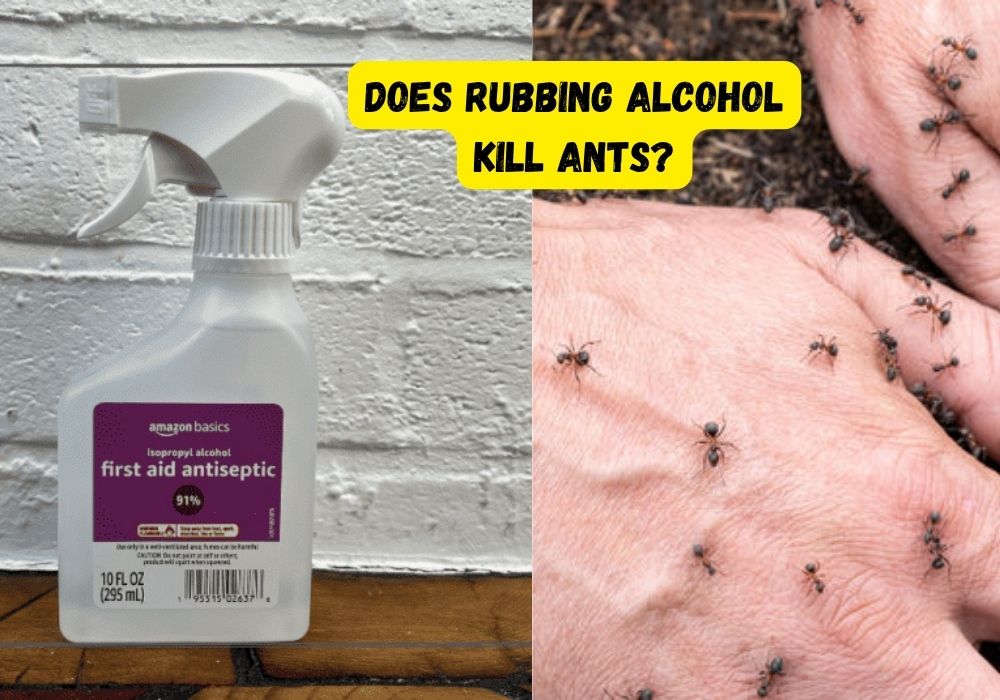
If you’re dealing with an ant invasion, you may be wondering: does rubbing alcohol kill ants? The short answer is yes. Rubbing alcohol, also known as isopropyl alcohol, kills ants on contact by penetrating their exoskeleton and dehydrating their bodies. In many cases, it works almost instantly. It also disrupts pheromone trails, which helps prevent other ants from following the same path. When mixed with water and a small amount of dish soap, it becomes even more effective for spraying visible ant trails.
But is it a long-term solution? Let’s break it down in detail.
How Does Rubbing Alcohol Kill Ants?
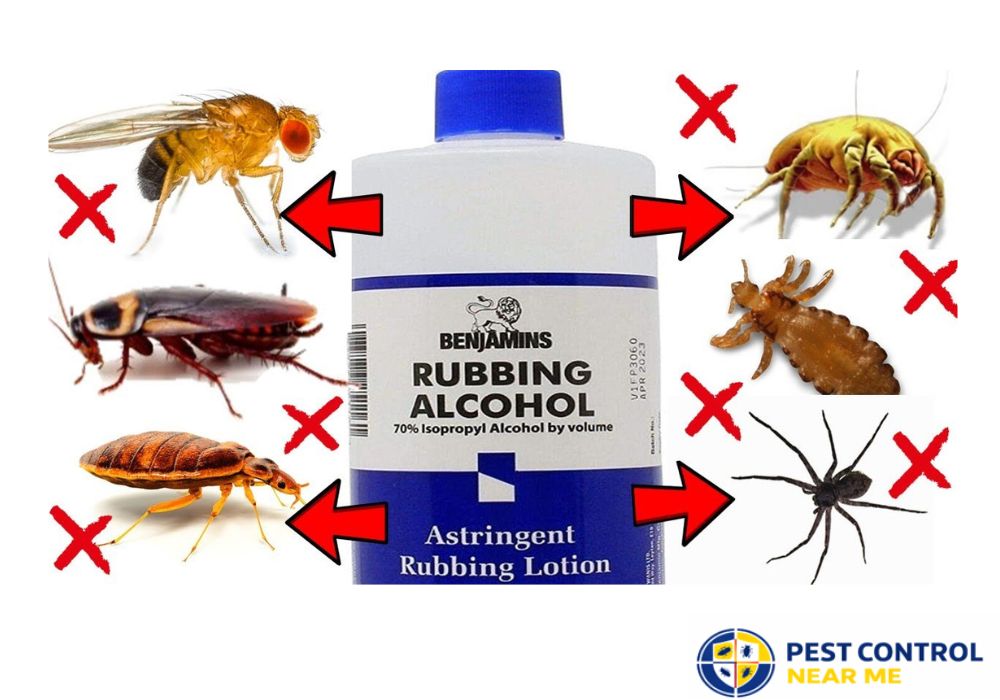
Ants have a protective outer shell called an exoskeleton. Rubbing alcohol dissolves the waxy coating on this shell, causing rapid dehydration.
Here’s what happens step by step:
- The alcohol touches the ant.
- It penetrates the exoskeleton.
- Moisture inside the ant evaporates quickly.
- The ant dies from dehydration and chemical shock.
Because alcohol evaporates fast, it works best when sprayed directly on ants.
Does Rubbing Alcohol Kill Ants Instantly?
In most cases, yes. When sprayed directly, rubbing alcohol can kill ants within seconds.
However, effectiveness depends on:
- Alcohol concentration (70% is common and effective)
- Direct contact
- Amount sprayed
- Size of the ant species
If ants are only lightly misted or if alcohol evaporates before full contact, some may survive.
Read Our Most Recent Published Ants Guides:
- Carpenter Ants vs Black Ants: Appearance, Behavior & Life Cycle Differences
- Do Ants have Hearts, Kidney, Lungs, and Nose? 2026 Essential Guide
- How Many Legs Do Ants Have? Ant Life Cycle & Types
- Do Ants Have a Brain? How Intelligent Are Ants? How do they “talk”?
Does Rubbing Alcohol Kill Ants Permanently?
This is where many people misunderstand.
Rubbing alcohol kills visible ants, but it does not eliminate the colony. It does not reach the queen unless sprayed directly into the nest. That means new ants can continue emerging.
For long-term control, targeting the colony and queen is essential.
Does Rubbing Alcohol Destroy Ant Trails?
Yes, and this is one of its biggest advantages.
Ants leave behind pheromone trails to guide other ants to food sources. Rubbing alcohol breaks down these chemical trails, disrupting communication. This makes it harder for other ants to follow the same path.
That’s why spraying both the ants and the surrounding area works better than spraying ants alone.
Best Way to Use Rubbing Alcohol for Ants
For safer and more effective use, try this mixture:
DIY Ant Spray Recipe
- 1 part rubbing alcohol (70%)
- 1 part water
- A few drops of dish soap
Shake well and spray directly on:
- Active ant trails
- Entry points
- Baseboards
- Kitchen counters
The soap helps break surface tension, allowing better penetration.
Effectiveness Comparison Table
| Method | Kills on Contact | Destroys Trails | Reaches Colony | Long-Term Control |
| Rubbing Alcohol | Yes | Yes | No | Limited |
| Ant Baits | No (slow) | No | Yes | High |
| Vinegar | No | Yes | No | Low |
| Professional Treatment | Yes | Yes | Yes | Very High |
This shows that while rubbing alcohol is effective for quick relief, it is not a complete colony solution.
Is Rubbing Alcohol Safe to Use Indoors?
It can be used indoors, but with caution.
Keep in mind:
- It is flammable.
- It has strong fumes.
- It may damage certain surfaces like varnished wood or painted finishes.
Always test a small area first and keep away from flames or heat sources.
Pros and Cons of Using Rubbing Alcohol for Ants
Pros
- Kills ants instantly
- Inexpensive
- Easy to find
- Destroys pheromone trails
Cons
- Does not eliminate the queen
- Short-term solution
- Flammable
- May damage surfaces
What Smells Do Ants Hate the Most?
Besides alcohol, ants dislike strong smells such as:
- Peppermint
- Vinegar
- Citrus
- Cinnamon
- Tea tree oil
However, most natural smells repel rather than kill ants.
Does Rubbing Alcohol Work Better Than Other DIY Remedies?
Compared to vinegar, alcohol is stronger because it kills on contact. Vinegar mainly disrupts scent trails.
Compared to ant bait, alcohol works faster but lacks long-term impact. Baits are designed to be carried back to the nest, targeting the queen.
For heavy infestations, combining methods often works best.
Conclusion
So, does rubbing alcohol kill ants? Absolutely. It kills ants instantly on contact and destroys their scent trails, making it a powerful short-term solution. However, it does not eliminate the colony or queen, which means infestations can return. For quick control of visible ants, rubbing alcohol works well. For long-term protection, combining it with baiting or professional treatment is the smarter strategy. Subscribe to Pest Control Near Me for the latest pest guides.
FAQs
Will spraying rubbing alcohol kill ants?
Yes, spraying rubbing alcohol directly on ants kills them on contact by dehydrating their bodies.
How do ants react to isopropyl alcohol?
Ants quickly lose mobility and die when exposed directly. It disrupts their nervous system and protective outer layer.
How fast can alcohol kill ants?
It can kill ants within seconds if sprayed directly.
Does alcohol have any effect on ants?
Yes, it kills ants, repels others, and destroys pheromone trails.
What smell do ants hate the most?
Ants strongly dislike peppermint, vinegar, citrus, and strong essential oils.
Do ants drink alcohol?
No. Ants do not intentionally consume alcohol. If exposed, it is toxic to them.
Is alcohol toxic to insects?
Yes. Alcohol is toxic to many insects because it dehydrates and damages their protective outer layer.
Why shouldn’t you squish ants?
Squishing ants can release alarm pheromones, attracting more ants to the area.
What are ants most afraid of?
Ants avoid strong scents, vibrations, and sudden disturbances. However, they primarily respond to chemical signals rather than fear.

