

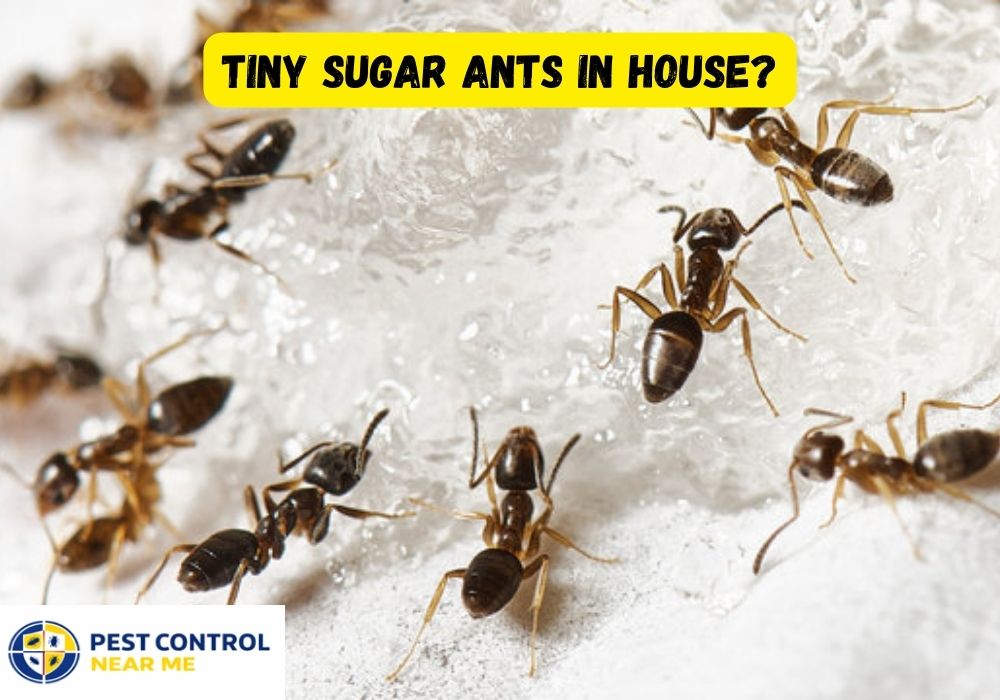
Noticed a trail of tiny sugar ants in house marching straight toward your kitchen counter, baby’s snack crumbs, or even your sink? You are not alone.
These microscopic invaders are one of the most common (and frustrating) household pests in 2026.
Getting rid of tiny sugar ants isn’t just about killing the ones you see. In fact, spraying them often makes the infestation worse. The most effective modern approach involves using slow-acting bait systems (like borax-based mixtures or commercial ant baits) that worker ants carry back to their colony — eventually eliminating the queen.
Alongside that, wiping down surfaces with vinegar helps destroy invisible scent trails they use to navigate. Sealing cracks in walls, window frames, and foundations with caulk blocks entry points, while proper sanitation — airtight food storage and moisture control — keeps new colonies from moving in.
Let’s break down exactly how to identify, eliminate, and prevent these tiny intruders. Read Our Latest post on Flying Ants vs Termites: Appearance, Behavior & Life Cycle Differences
What Are Tiny Sugar Ants?
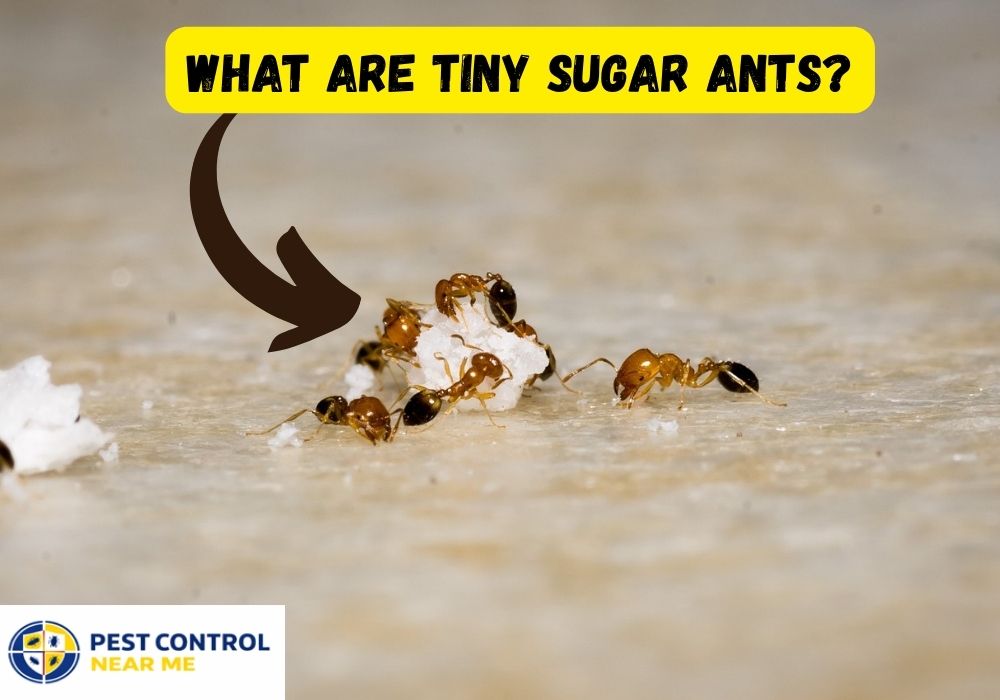
“Sugar ants” is a general term used for small ants attracted to sweet foods. In most U.S. homes, the tiny sugar ants in house you’re seeing are usually:
| Ant Type | Size | Color | Common Nesting Area | What Attracts Them |
| Odorous House Ants | 1/16–1/8 inch | Brown/Black | Walls, under floors | Sugary foods, spills |
| Pavement Ants | 1/8 inch | Dark Brown | Foundation cracks | Sweets & grease |
| Pharaoh Ants | 1/16 inch | Light yellow | Warm indoor spaces | Sugary & protein foods |
They’re extremely small — sometimes mistaken for specks of pepper — but they form large colonies with thousands of members.
Signs You Have Tiny Sugar Ants in Your House
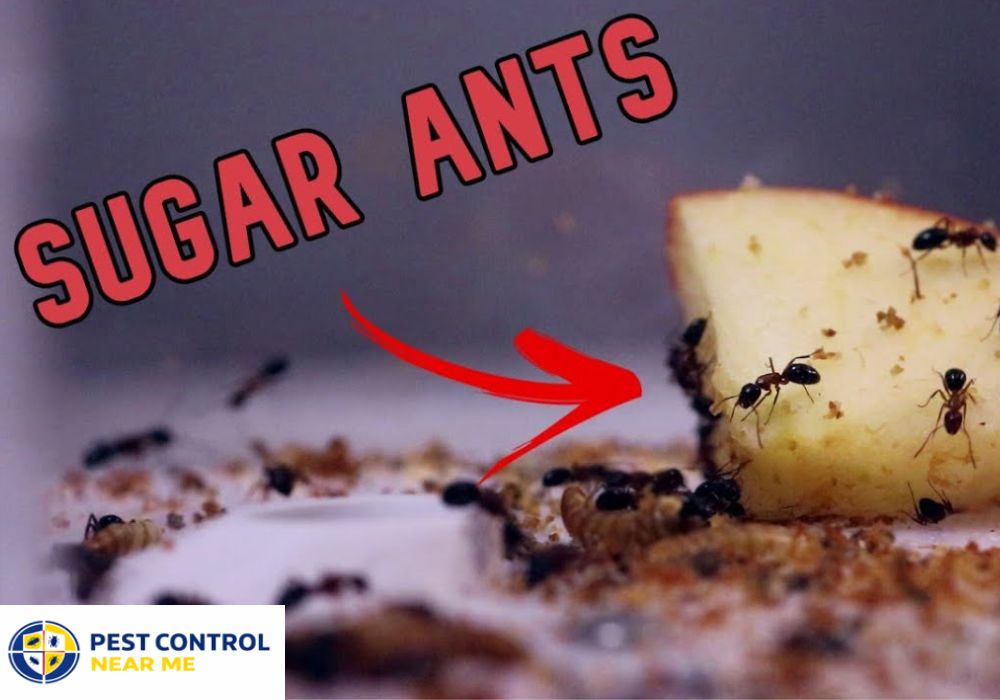
Here’s how you can tell you’re dealing with tiny sugar ants:
- Long moving trails near food sources
- Clusters around sugar jars, fruit bowls, or honey spills
- Ants near sinks, dishwashers, or damp bathrooms
- Activity around baseboards or window sills
- Sudden appearance overnight
They often show up in warmer months — but indoor heating means infestations now happen year-round.
Read More: Baby Termites vs Ants? How to Tell the Difference & Signs of Infestation
Why Do I Suddenly Have Tiny Ants?
If you’re wondering why they appeared out of nowhere — it’s usually due to:
- Food crumbs or sugary residue
- Open food packaging
- Pet food left out
- Leaking pipes or damp wood
- Entry through tiny wall cracks
Even a drop of juice on the floor can attract hundreds within hours.
Step-by-Step: How to Get Rid of Tiny Sugar Ants
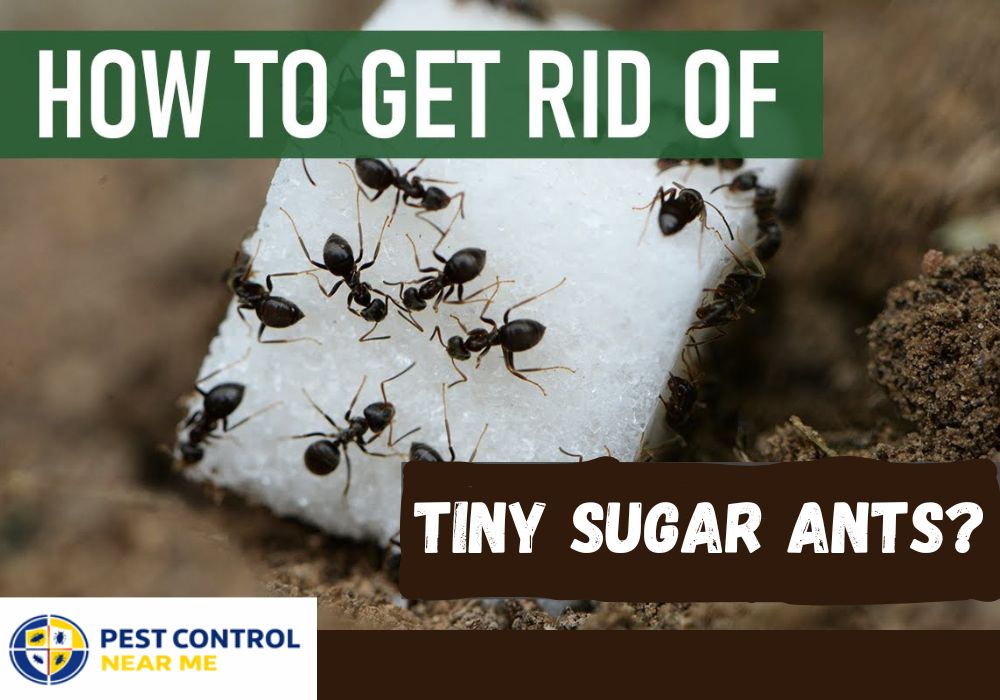
1. Use Ant Baits — Not Sprays
Sprays kill visible ants but don’t reach the colony. Baits allow worker ants to carry poison back to the nest.
DIY Borax Bait Recipe:
- ½ cup sugar
- 1½ tbsp borax
- 1½ cups warm water
Soak cotton balls and place near ant trails.
Commercial liquid ant baits also work effectively in 2026 pest control strategies.
2. Destroy Their Scent Trails
Ants follow pheromone trails — like invisible highways.
Clean affected areas with:
- White vinegar + water solution
- Lemon water
- Mild detergent
Avoid bleach — it doesn’t remove pheromone signals effectively.
3. Seal Entry Points
Check and seal:
- Window frames
- Baseboards
- Foundation cracks
- Door gaps
- Pipe openings
Use silicone or acrylic caulk to block access.
4. Eliminate Food Sources
Prevention is key to keeping tiny sugar ants in house from returning:
- Store sugar & snacks in airtight containers
- Wipe kitchen counters daily
- Empty trash regularly
- Clean sticky spills immediately
- Don’t leave fruit exposed overnight
5. Remove Moisture Sources
Tiny ants love damp areas.
Fix:
- Leaky faucets
- Wet sponges
- Damp cabinets
- Standing sink water
Use a dehumidifier if needed.
Are Sugar Ants Harmful?
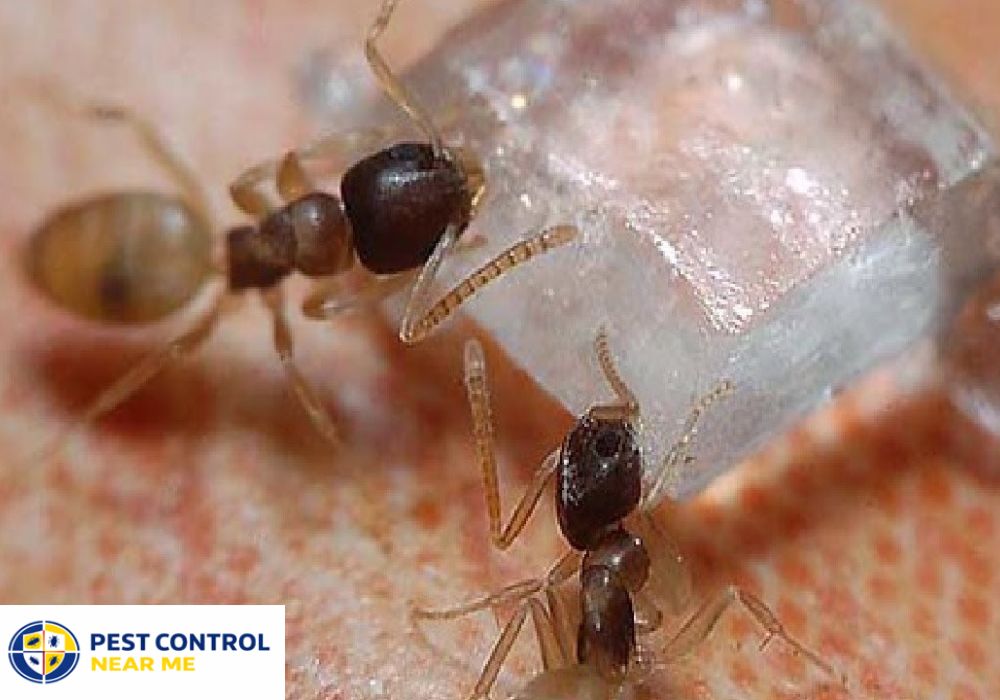
Sugar ants are not dangerous in terms of bites or venom. However, they can:
- Contaminate food
- Spread bacteria from surfaces
- Trigger hygiene concerns
- Multiply rapidly if ignored
So while not medically harmful — they’re definitely not harmless either.
Conclusion
Dealing with tiny sugar ants in house can feel overwhelming — especially when they keep coming back no matter how many you kill. But long-term control isn’t about eliminating the ants you see it’s about destroying the colony you don’t. Using slow-acting bait, cleaning pheromone trails, sealing entry points, and maintaining strict kitchen hygiene creates a complete defense system that not only removes current infestations but prevents future ones. last week we published a post on Tiny Baby Termites? Everything You Need to Know in 2026
With the right 2026 pest control approach, you can reclaim your kitchen — and keep it ant-free for good.
FAQs
How do you get rid of those tiny sugar ants?
Use slow-acting ant baits so workers carry poison back to the colony. Clean surfaces with vinegar and seal cracks to prevent entry.
Are sugar ants harmful?
They don’t bite aggressively but can contaminate food and surfaces with bacteria.
Why do I suddenly have tiny ants?
Usually due to food crumbs, sugary spills, moisture, or new entry points in walls or flooring.
Are sugar ants tiny?
Yes — most are only about 1/16 to 1/8 inch long.
Are tiny ants harmful?
They’re nuisance pests but can spread germs through food contamination.
How to get rid of extremely tiny ants?
Use borax bait stations, destroy scent trails, and eliminate food sources.
Do tiny ants carry diseases?
They can transfer bacteria from garbage or drains to food prep areas.
Where do tiny ants usually nest?
Inside walls, under flooring, in insulation, and near moisture-rich areas.
What attracts tiny ants into a house?
Sugary foods, crumbs, open containers, pet food, and damp conditions.

