

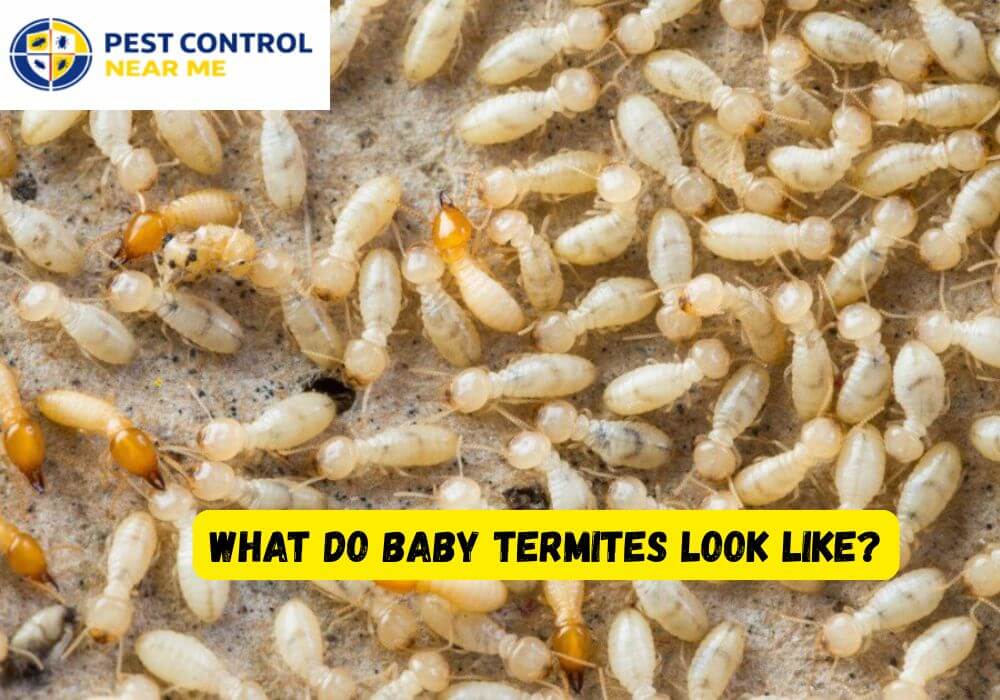
If you’ve discovered tiny white insects near wood, walls, or furniture, you might be asking: What do baby termites look like? Proper identification is crucial because early detection can save thousands of dollars in structural repairs.
Baby termites—often called nymphs or larvae—are extremely small, soft-bodied insects. They are typically about the size of a grain of rice or smaller, pale white to creamy in color, and sometimes almost translucent. They resemble miniature worker termites but without wings. Unlike adult termites that actively consume wood, young termites depend on worker termites to feed them through a process called trophallaxis (food sharing).
In this guide, we’ll explain how to identify baby termites, what they look like to the human eye, common insects mistaken for termites, and the most effective termite treatment solutions available in 2026.
Understanding the Termite Life Cycle
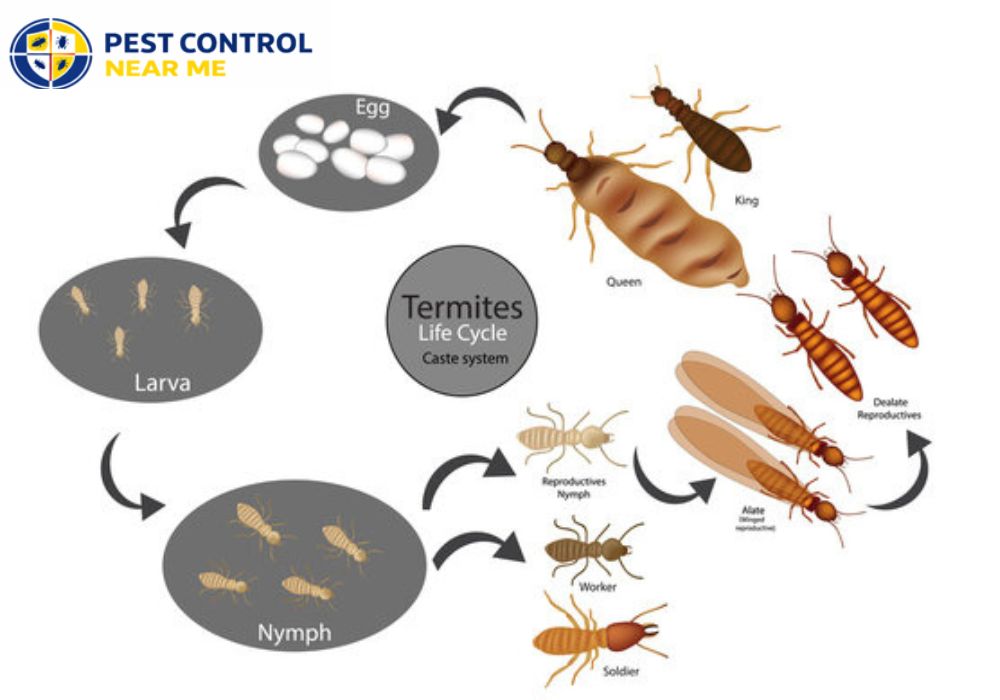
Termites are social insects that live in colonies with structured roles. Species such as the Subterranean termite and Drywood termite follow a similar life cycle:
- Egg
- Larva (early-stage baby termite)
- Nymph
- Worker, soldier, or reproductive adult
Baby termites fall into the larval and early nymph stages. They eventually molt several times before becoming workers or soldiers.
What Do Baby Termites Look Like?
Here’s a detailed breakdown of their physical features:
Size
- About 1/8 inch or smaller
- Similar in size to a grain of rice
- Much smaller than flying swarmers
Color
- Pale white
- Creamy
- Sometimes almost transparent
Body Shape
- Soft-bodied
- Straight antennae
- Thick, uniform waist (unlike ants)
- No wings
- No visible eyes in early stages
Movement
- Slow moving
- Stay clustered near workers
- Found deep inside wood or soil
Baby Termite vs. Ant: Quick Comparison Table
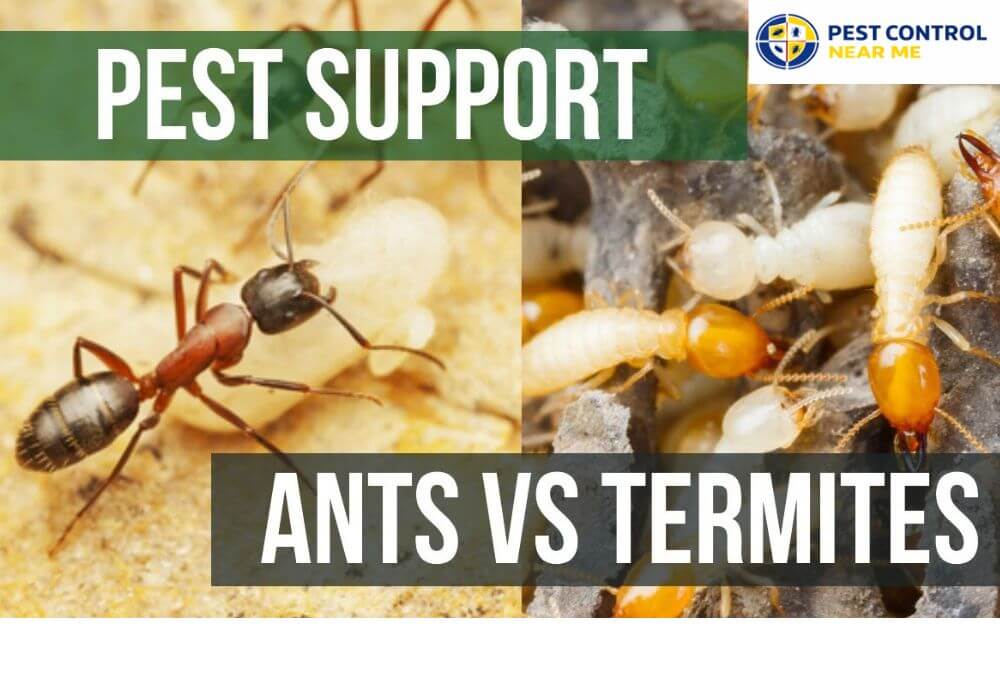
Many homeowners confuse baby termites with ants. Here’s a clear comparison:
| Feature | Baby Termite | Ant |
| Waist | Thick, straight | Pinched, narrow |
| Antennae | Straight | Bent/elbowed |
| Color | White/cream | Black, brown, red |
| Wings | None (in early stage) | Some ants have wings |
| Eyes | Not visible | Clearly visible |
If the insect has a narrow waist and bent antennae, it’s likely an ant—not a termite.
Can You See Baby Termites?
Yes—but rarely.
Baby termites typically remain hidden inside:
- Wooden beams
- Wall voids
- Crawl spaces
- Soil near foundations
Homeowners usually don’t see baby termites unless:
- Wood is broken open
- Severe infestation is present
- During professional inspection
Because they avoid light, spotting them often means the infestation is already established.
What Do Early Termites Look Like?
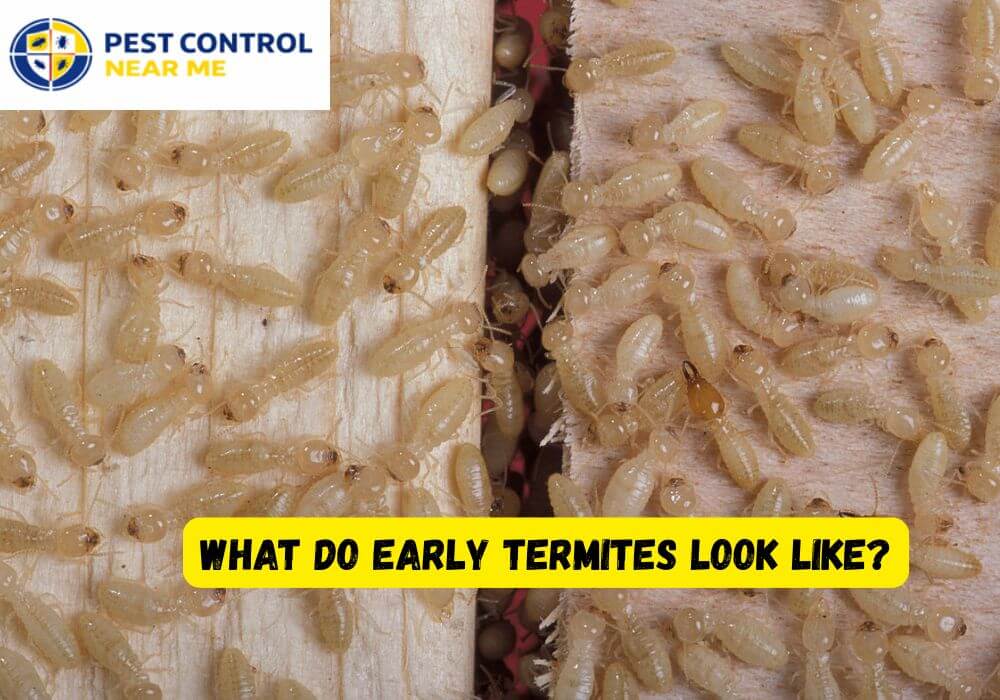
Early-stage termites (larvae) look almost translucent and very soft. As they grow into nymphs:
- They become slightly larger
- Their body segments become more defined
- They begin differentiating into worker or soldier roles
They remain pale and wingless until maturity.
What Bug Can Be Mistaken for a Termite?
Several insects are commonly confused with termites:
- Carpenter ants
- Flying ants
- Powderpost beetles
- Silverfish
Carpenter ants are the most commonly mistaken species. However, unlike termites, carpenter ants do not eat wood—they excavate it.
What Is a Termite’s Worst Enemy?
Termites face natural predators such as:
- Ants
- Birds
- Nematodes
- Certain fungi
However, in residential settings, their biggest enemy is professional termite treatment using:
- Liquid termiticides
- Baiting systems
- Soil barriers
- Borate wood treatments
Can Termites Be Very Tiny?
Yes. Baby termites can be extremely tiny—sometimes just a few millimeters long. Because of their size and color, they are easily overlooked in light-colored wood or drywall dust. Last week, we published a post on Are Landlords Responsible for Pest Control in Grand Prairie, Texas
What Kills Termites Instantly?
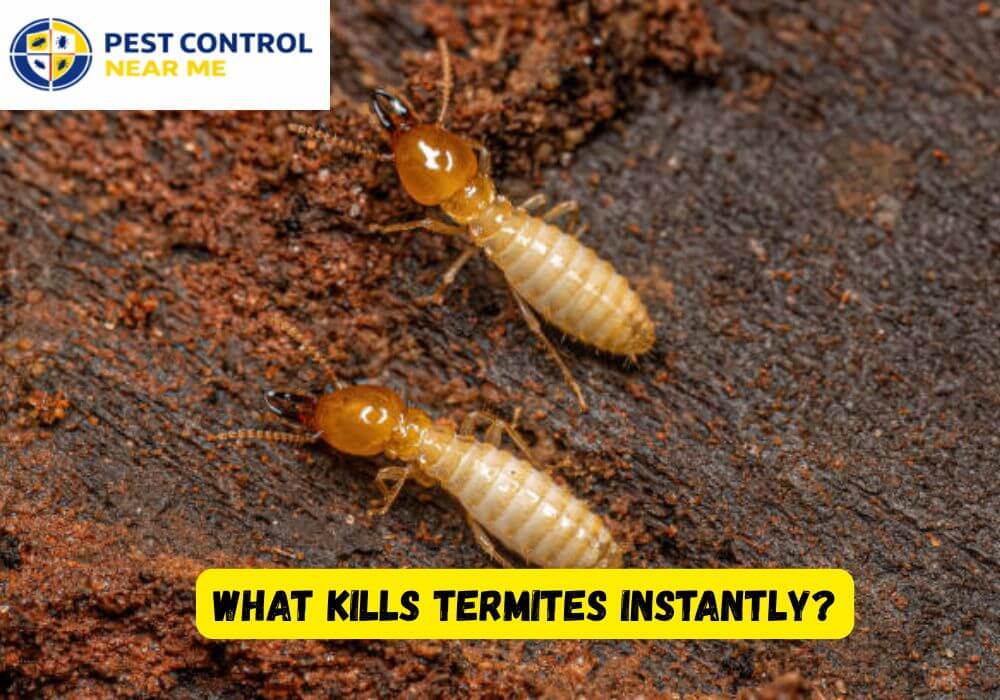
While no DIY method guarantees instant colony elimination, the fastest-acting professional treatments include:
1. Liquid Termiticides
Products like fipronil-based treatments create a lethal barrier in soil. Termites carry the poison back to the colony.
2. Termite Bait Systems
Modern bait systems such as Sentricon eliminate entire colonies over time.
3. Borate Wood Treatments
Applied directly to exposed wood, borates prevent termites from digesting cellulose.
Note: Over-the-counter sprays may kill visible termites but rarely eliminate the colony.
What Time of Year Are Termites Most Active?
Termite activity peaks during:
- Spring (swarming season)
- Early summer
- Warm, humid conditions
In warmer states like Texas, Florida, and California, termites can remain active nearly year-round.
Swarming termites are reproductive adults—not babies—but their presence indicates a nearby colony.
How Do You Identify a Baby Termite?
To identify a baby termite:
✔ Pale white or creamy body
✔ Straight antennae
✔ Thick waist
✔ No wings
✔ Found inside wood
✔ Clustered with other termites
If you see these signs, schedule a professional inspection immediately.
What Do Baby Termites Look Like to the Human Eye?
To the naked eye, baby termites appear as:
- Tiny white soft insects
- Almost like moving rice grains
- Grouped together
- Lacking visible facial features
They do not jump or fly. They crawl slowly and stay hidden from light.
Signs You May Have Baby Termites
Since they’re rarely visible, look for indirect signs:
- Hollow-sounding wood
- Mud tubes along foundations
- Discarded wings (from swarmers)
- Bubbling paint
- Wood that crumbles easily
If you break open infested wood and see small white insects inside, those are likely baby termites or worker termites.
Termite Treatment Options in 2026
Modern termite control focuses on long-term colony elimination and prevention.
1. Soil Barrier Treatment
Creates a chemical perimeter around your foundation.
2. Advanced Bait Systems
Eco-friendly and colony-targeted methods.
3. Direct Wood Injection
Foam injections inside walls for drywood termites.
4. Annual Termite Inspections
Prevention is cheaper than structural repairs.
Professional pest control companies now use thermal imaging and moisture detection tools for early discovery.
Final Thoughts
Knowing what do baby termites look like can make the difference between a minor treatment and major structural damage. Baby termites are pale, soft-bodied, wingless insects that resemble tiny worker termites. They hide inside wood and depend on the colony to survive. Read also How Much is Pest Control for Mice in Grand Prairie, TX? 2026 Essential Guide
If you suspect termite activity:
- Do not disturb the area excessively
- Avoid DIY sprays
- Schedule a professional inspection
Termites cause billions of dollars in property damage annually. Early detection in 2026 is easier than ever with modern pest control technologies—so don’t ignore the signs.
If you’ve seen tiny white insects inside wood, it’s time to act.
Frequently Asked Questions
What bug can be mistaken for a termite?
Carpenter ants are most commonly mistaken for termites due to similar body shape and habitat.
What is a termite’s worst enemy?
Professional termite treatment systems and natural predators like ants.
Can you see baby termites?
Rarely. They usually remain hidden inside wood or underground.
Can termites be very tiny?
Yes, baby termites are extremely small—just a few millimeters long.
What kills termites instantly?
Professional liquid termiticides work fastest, but colony elimination takes time.
What time of year are termites most active?
Spring and early summer during swarming season.
How do you identify a baby termite?
Look for a tiny, pale, soft-bodied insect with straight antennae and no wings.
What do baby termites look like to the human eye?
They look like tiny white grains of rice that move slowly.
What do early termites look like?
Early termites are translucent larvae that gradually develop into cream-colored nymphs.

