

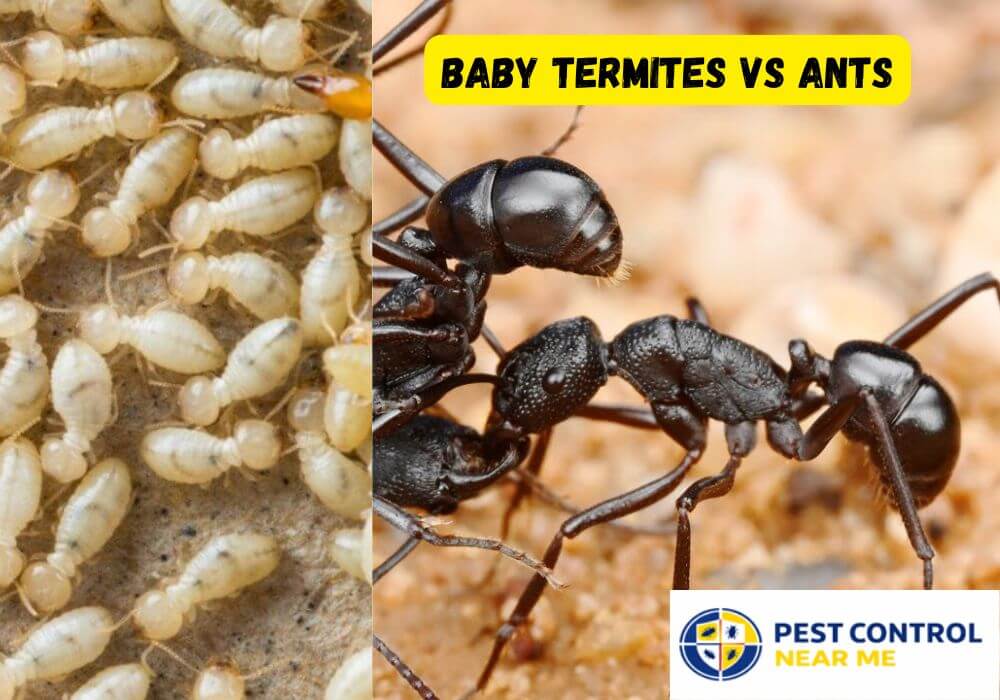
If you’ve spotted tiny crawling insects in your home, your first thought might be: are these baby ants… or baby termites?
That’s a seriously important question.
While baby ants are mostly a nuisance, baby termites can silently destroy your home from the inside out before you even realize what’s happening. At a glance, the two can look surprisingly similar — but there are crucial differences in their body structure, color, behavior, and the signs they leave behind.
For example, young termites are usually pale in color, soft-bodied, and have a straight waistline. Ants, on the other hand, tend to be darker with a pinched waist, segmented bodies, and bent antennae. Even the damage they cause is very different. Termites eat wood and leave behind mud tubes, discarded wings, hollow-sounding timber, or pellet-like droppings called frass. Ants typically leave food crumbs or debris — not structural destruction.
In this guide, we’ll break down everything you need to know about:
- Baby termites vs ants
- Baby flying ants vs termites
- Baby ants vs baby termites
- Infestation warning signs
- And what to do if you find either in your home
Baby Ants vs Baby Termites: Quick Comparison
| Feature | Baby Termites | Baby Ants |
| Color | Creamy white or pale | Dark brown or black |
| Waist | Straight body | Pinched waist |
| Antennae | Straight | Elbowed |
| Wings (if present) | Same size | Unequal size |
| Body Texture | Soft | Harder exoskeleton |
| Habitat | Inside wood | Walls, kitchen, food areas |
| Damage | Structural wood damage | Food contamination |
| Droppings | Frass (pellets) | Food debris |
What Do Baby Termites Look Like?
One of the biggest identification mistakes homeowners make is assuming termites are just white ants.
They’re not.
Tiny Baby termites (also known as termite nymphs) are:
- Tiny (around 1/10 inch long)
- Creamy white or translucent
- Soft-bodied
- Straight-waisted
- Without visible segmentation
Unlike ants, they avoid light and usually stay hidden deep inside wooden structures, furniture, or walls.
So if you’re only seeing these tiny bugs near window sills or food areas — you’re more likely dealing with ants.
But if they appear around baseboards, wooden frames, or damaged timber — termites might be the real culprit.
Baby Flying Ants vs Termites
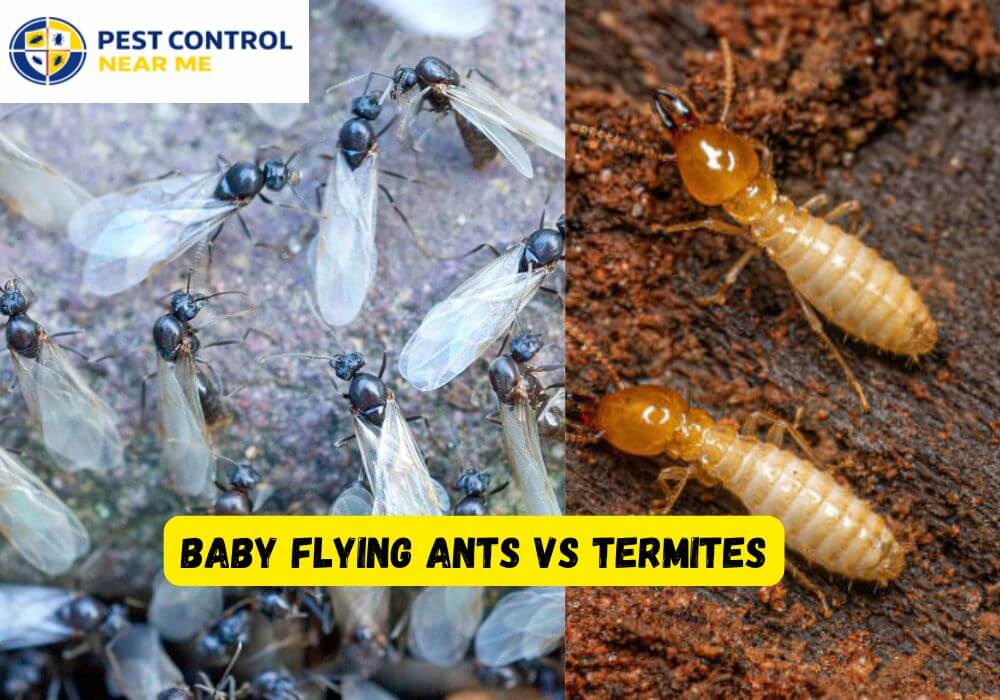
Winged insects inside your home can create instant panic — and rightly so.
Both termites and ants have reproductive swarmers that grow wings and leave the nest to start new colonies.
Here’s how to tell the difference:
Flying Termites
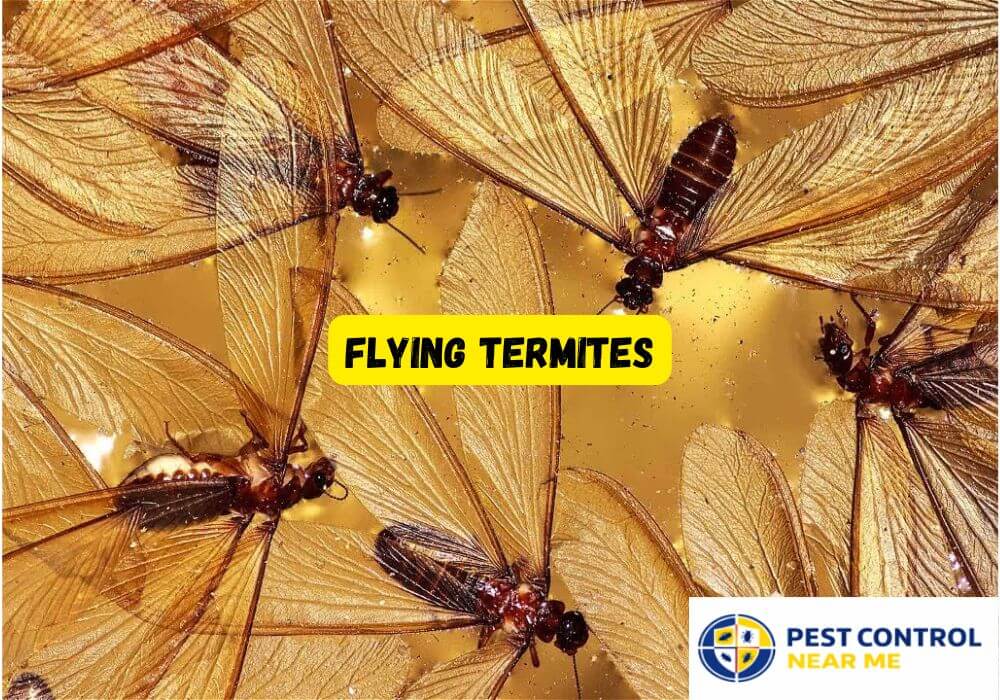
- Straight antennae
- Thick waist
- Two pairs of equal-length wings
- Wings fall off easily
- Pale or light-colored body
Flying Ants
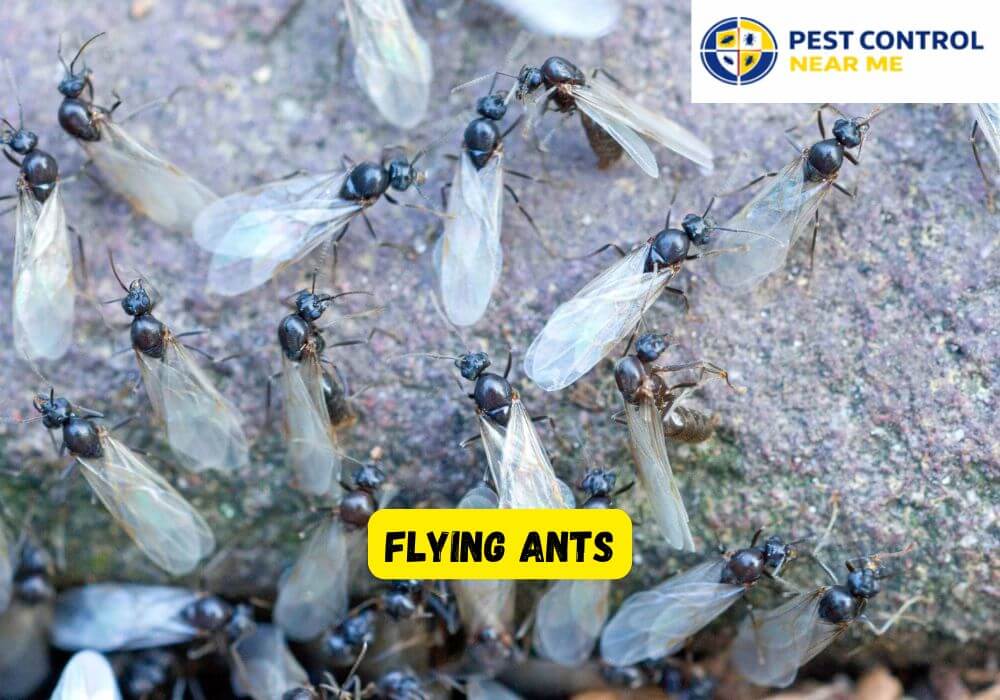
- Elbowed antennae
- Narrow waist
- Larger front wings than back wings
- Wings stay attached longer
- Darker body
If you notice piles of shed wings near windows or doors, that’s a major red flag for termites.
Signs of a Termite Infestation
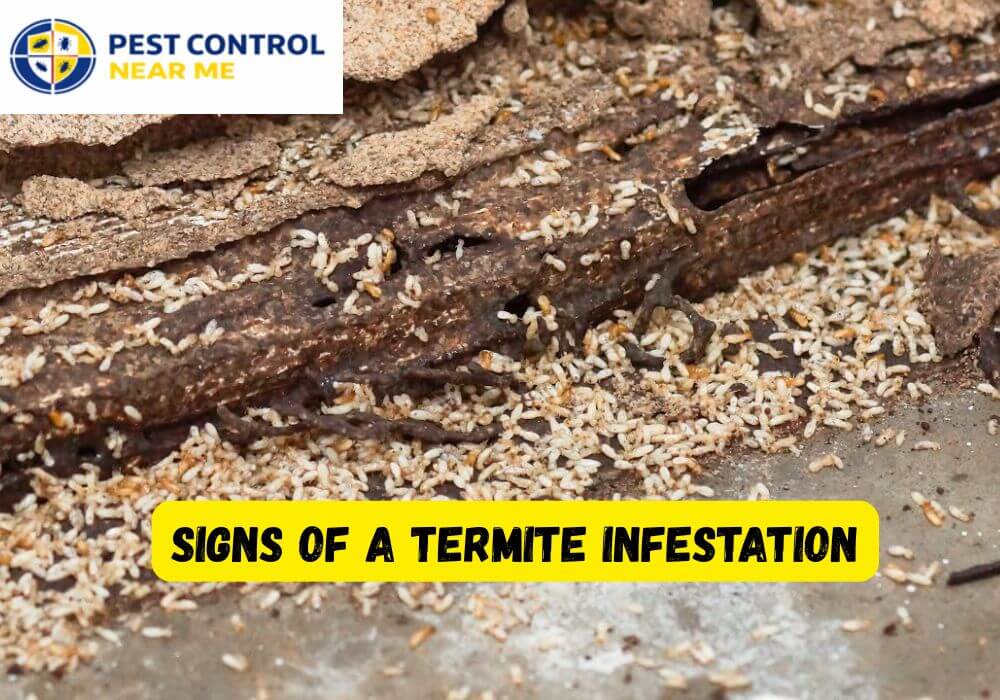
Termites are often called “silent destroyers” because they work behind the scenes.
Watch out for:
- Mud tubes along walls or foundations
- Hollow-sounding wood
- Discarded wings near windows
- Tight-fitting doors or windows
- Buckling paint or wood
- Tiny pellet-like droppings (frass)
Unlike ants, termites don’t leave visible trails — they tunnel inside wood.
Signs of an Ant Infestation
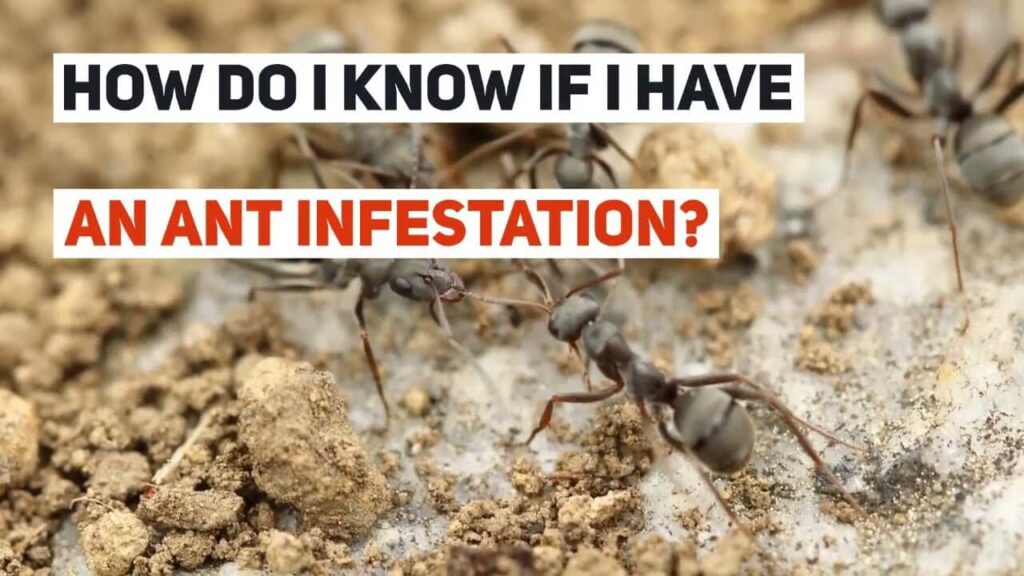
Ant infestations are easier to detect and usually involve:
- Visible trails of ants
- Food crumbs or debris
- Nests in walls or soil
- Ants gathering around sweets or spills
- Small piles of dirt or sawdust
Ants are searching for food — termites are searching for wood. Read Our Latest post on What Do Baby Termites Look Like? Termite Identification and Treatment in 2026
Baby Termites vs Ants Pictures: Why It Matters
Many homeowners rely on baby termites vs ants pictures online to identify what they’re dealing with.
But here is the problem:
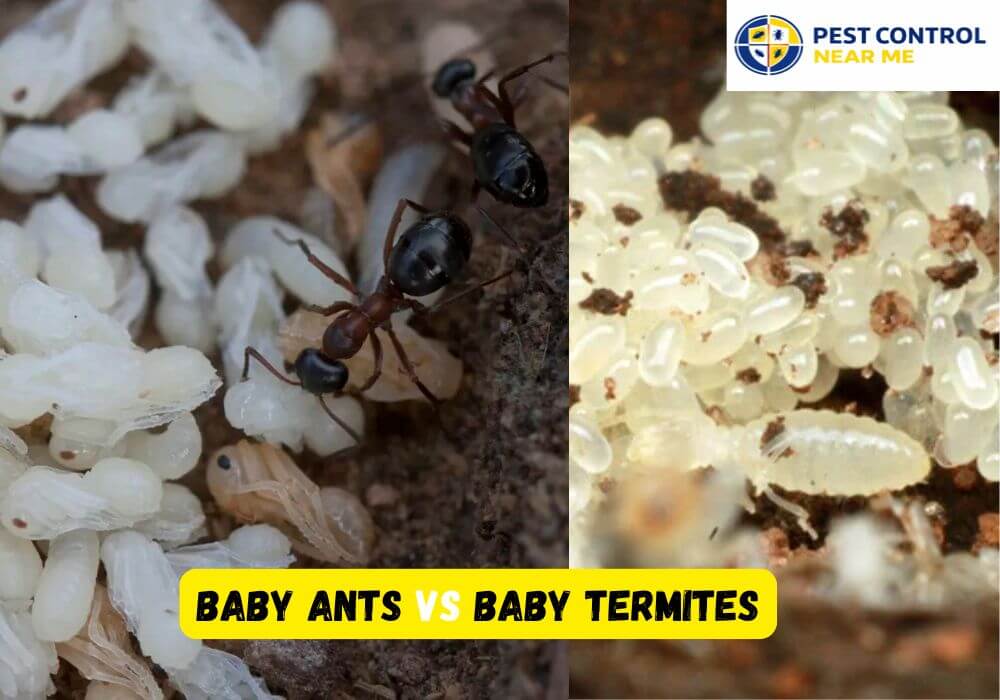
To the untrained eye, termite nymphs and ant larvae can look nearly identical in photos. That’s why examining body shape, antennae, and wing size (if present) is more reliable than color alone.
When in doubt, always assume termites because early detection can save thousands in repair costs.
Conclusion
Understanding the difference between baby termites vs ants is critical for protecting your home from costly structural damage. While ants may be annoying, termites pose a much bigger threat due to their ability to eat wood silently and remain hidden for months — or even years.
If you notice pale, soft-bodied insects near wooden structures, shed wings, or mud tubes along your walls or foundation, don’t ignore them. Early identification of baby ants vs baby termites — especially in the case of baby flying ants vs termites — can make the difference between a simple pest treatment and major home repairs.
When in doubt, it’s always best to seek professional pest inspection before the infestation spreads.
FAQs
How do you tell the difference between a baby termite and a baby ant?
Check the waist and antennae. Baby termites have straight bodies and antennae, while ants have pinched waists and bent antennae.
Why shouldn’t you squish an ant?
Some ants release pheromones when crushed that attract more ants to the area.
What do little baby termites look like?
They are small, pale, soft-bodied insects with straight waists and no visible segmentation.
How can I tell if I have ants or termites?
Ants are usually visible and found near food. Termites hide inside wood and cause structural damage.
Why should you not squish ants in your house?
Squishing ants may send out chemical signals that alert other ants to come investigate.
What is a termite’s worst enemy?
Natural predators like ants, nematodes, and certain fungi can attack termite colonies.
Do baby termites look like ants?
Yes, but termites are lighter and lack the narrow waist ants have.
Why do I suddenly have tiny ants?
Ants often enter homes in search of food, moisture, or shelter.
What are the first signs of termites?
Mud tubes, hollow wood, discarded wings, and frass are early warning signs.

