

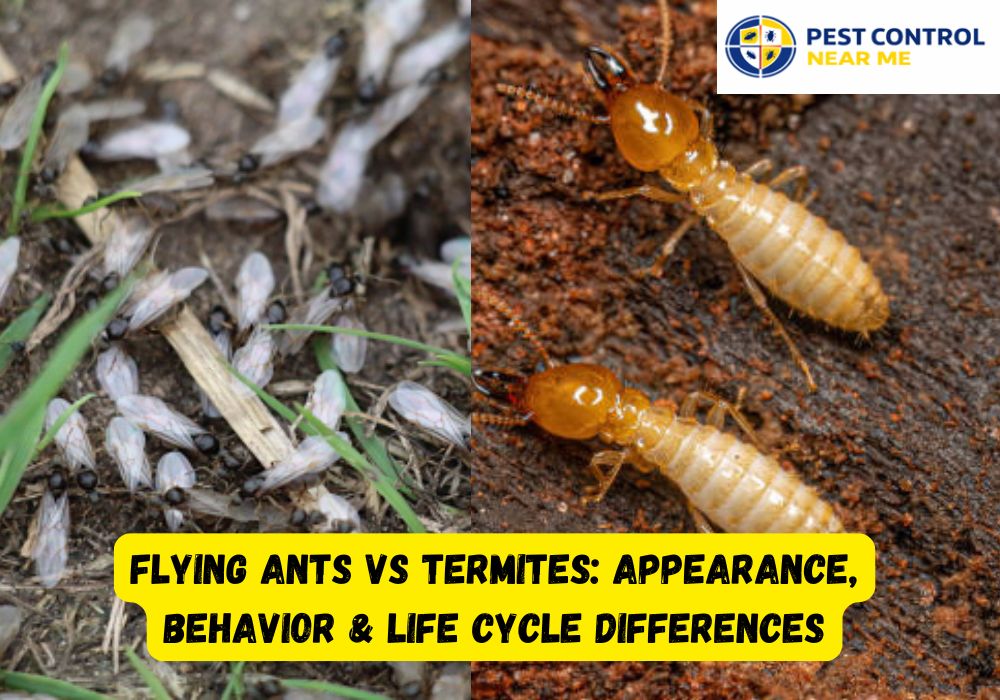
Have you recently noticed winged insects swarming around your lights or windows? Are you often wondering what they are: flying ants or termites?
You’re not alone. Thousands of homeowners panic every year after spotting these look-alike insects indoors. While they may seem similar at first glance, the truth is that understanding the difference between flying ants vs termites can save you from serious structural damage.
Winged ants (also called alates) typically have a narrow, pinched waist, bent antennae, and wings that are uneven in size. Termites, on the other hand, have a more uniform body shape with no visible waist, straight antennae, and four wings of equal length. Their lifestyles are also completely different: ants are opportunistic feeders and may nest in various locations, while termites survive on cellulose found in wood and can quietly weaken the structural integrity of your home over time.
So how exactly do you tell the difference between termites vs flying ants? Let’s break it down.
Flying Ants vs Termites: Quick Comparison Table
| Feature | Flying Ants | Termites |
| Waist | Narrow, pinched waist | Straight, broad waist |
| Antennae | Bent (elbowed) | Straight |
| Wing Length | Front wings longer than back wings | All four wings equal |
| Body Shape | Segmented body | Uniform body |
| Color | Black or reddish | White, cream, or light brown |
| Diet | Sugars, insects, food scraps | Wood & cellulose |
| Damage to Home | Minimal (usually) | Severe structural damage |
| Nesting Habits | Soil, walls, decayed wood | Inside wooden structures |
This table alone helps identify the difference when you’re unsure whether you’re dealing with flying ants or termites.
Appearance Differences Between Flying Ants and Termites
When comparing a flying ant vs termite, their wings and body structure give the biggest clues.
Flying ants have:
- Noticeably bent antennae
- A clearly defined waist
- Larger front wings than hind wings
- Darker, segmented bodies
Termites have:
- Straight antennae
- A thick, straight waist
- Four wings of the same size
- Pale or translucent bodies
If you see piles of discarded wings near windows or doors, termites may be the culprit—this is a common sign of a termite swarm establishing a new colony.
Behavioral Differences: Termites vs Flying Ants
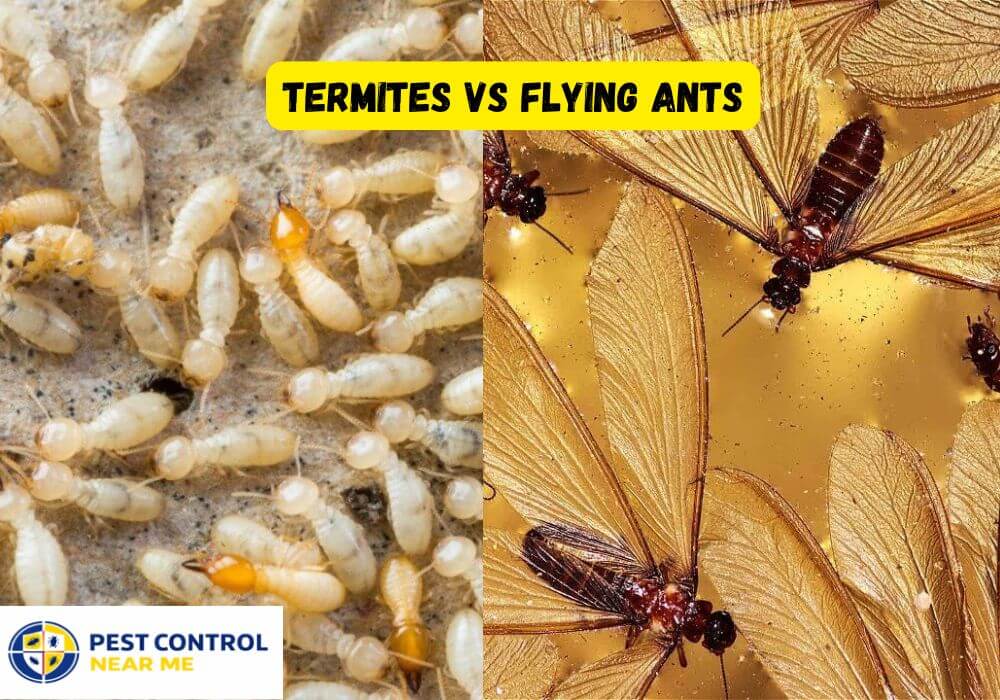
Flying ants are generally nuisance pests. They don’t eat wood, and their presence indoors is often temporary—usually during mating season when they swarm to reproduce.
Termites behave very differently.
- They live in large colonies
- Feed continuously on wood
- Build tunnels inside structural beams
- Often go unnoticed for years
That’s why spotting flying ants vs termites correctly matters. One may be harmless. The other could be silently damaging your home from the inside out.
Life Cycle Differences
Life Cycle of Flying Ants
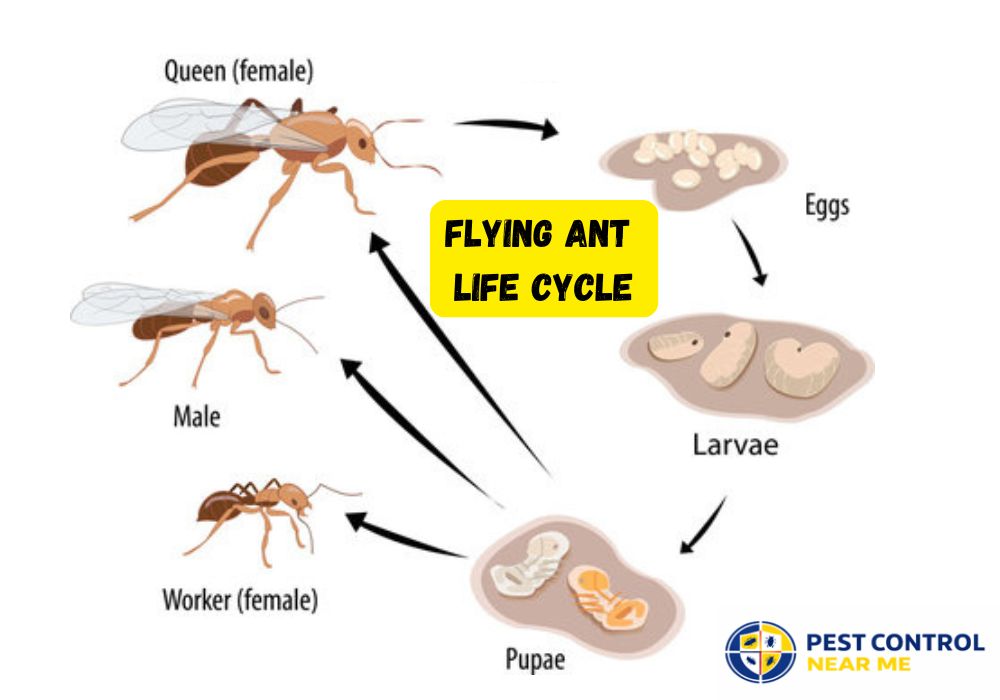
Flying ants emerge during reproductive phases known as nuptial flights.
Stages include:
- Egg
- Larva
- Pupa
- Adult (Worker or Reproductive Alate)
Winged ants leave their colony to mate, then shed their wings and form new nests.
Life Cycle of Flying Termites
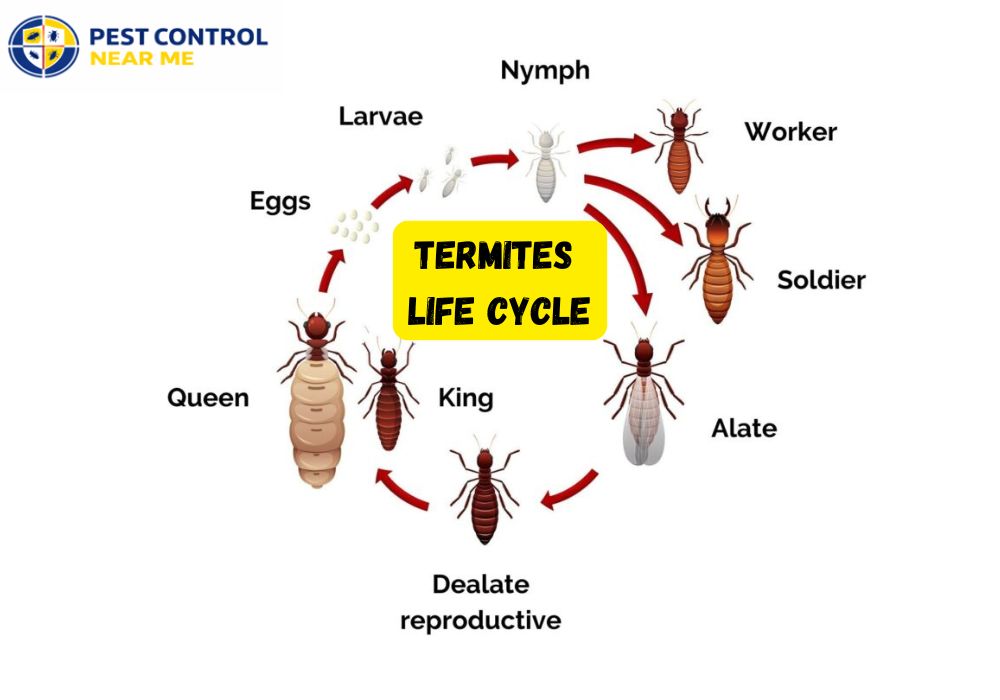
Flying termites (also called swarmers) are reproductive members of a termite colony.
Their life cycle includes:
- Egg
- Nymph
- Worker or Soldier
- Reproductive Swarmers
After mating, they drop their wings and begin building new colonies—often inside wooden structures.
Bugs That Look Like Flying Termites
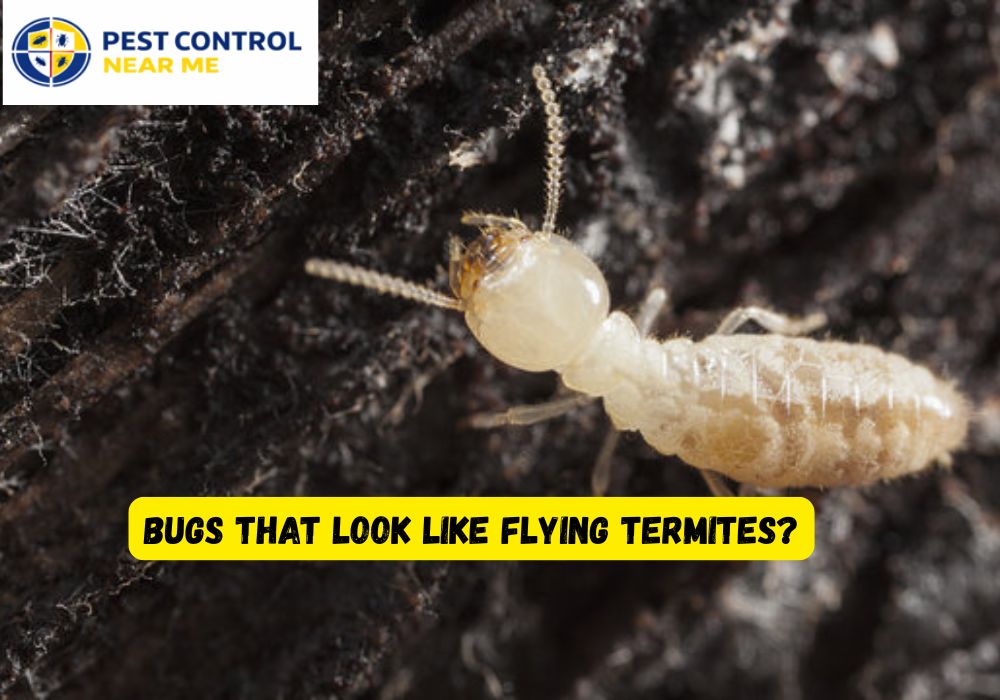
Many people confuse termites with:
- Carpenter ants
- Gnats
- Flying beetles
Carpenter ant swarmers especially resemble termites but still maintain a pinched waist and bent antennae—key identifiers in the flying ant vs termite comparison.
Conclusion
Mistaking flying ants vs termites is more common than you might think—but the consequences of misidentification can be serious. While flying ants are often just a seasonal nuisance, termites can silently cause extensive structural damage before you even realize they’re there. Read our latest post on Baby Termites vs Ants? How to Tell the Difference & Signs of Infestation
By learning the physical and behavioral differences between termites vs flying ants, as well as understanding their life cycles, you can take timely action to protect your home. If you’re unsure whether you’re seeing a flying ant vs termite, it’s always best to seek professional inspection—because when it comes to termites, early detection is everything.
Frequently Asked Questions
How do I get rid of flying ants or termites?
Flying ants can often be managed with DIY methods like sealing entry points and removing food sources. Termites typically require professional pest control treatment due to their destructive nesting habits.
Why do flying ants suddenly appear?
They emerge during mating season—usually in warm, humid weather—seeking to establish new colonies.
Can flying ants damage your home?
Most flying ants don’t damage structures, but carpenter ants can hollow out wood over time.
Does a flying ant look like a termite?
Yes, but close inspection of antennae, waist shape, and wing length reveals clear differences.
How do I know if I have termites or flying ants?
Look for straight antennae and equal wings in termites versus bent antennae and uneven wings in ants.
What attracts flying ants to a home?
Moisture, light sources, food crumbs, and sugary substances.
Will flying ants eventually go away?
Yes, swarms are usually temporary, but the colony may remain nearby.
Why do flying termites suddenly appear?
They swarm to reproduce and form new colonies—often after rainfall or in warm seasons.
Bugs that look like flying termites?
Carpenter ants and certain beetles are commonly mistaken for termites.
What do flying ants look like?
Dark bodies, elbowed antennae, and uneven wings.
Difference between flying ants and termites?
Waist shape, antennae structure, and wing size are the main differences.
What do termites look like with wings?
They appear pale with straight bodies and four equal-length wings.
What is the life cycle of a flying ant?
Egg → Larva → Pupa → Adult.
What is the life cycle of a flying termite?
Egg → Nymph → Worker/Soldier → Reproductive Swarmer.
How to tell the difference between gnats and termites?
Gnats are much smaller with thin bodies and don’t shed wings like termites.
What do termite nymphs look like?
They resemble small, pale versions of adult termites without wings.
Why do flying ants suddenly appear in my house?
Indoor swarms may indicate a nearby colony or favorable nesting conditions.

