

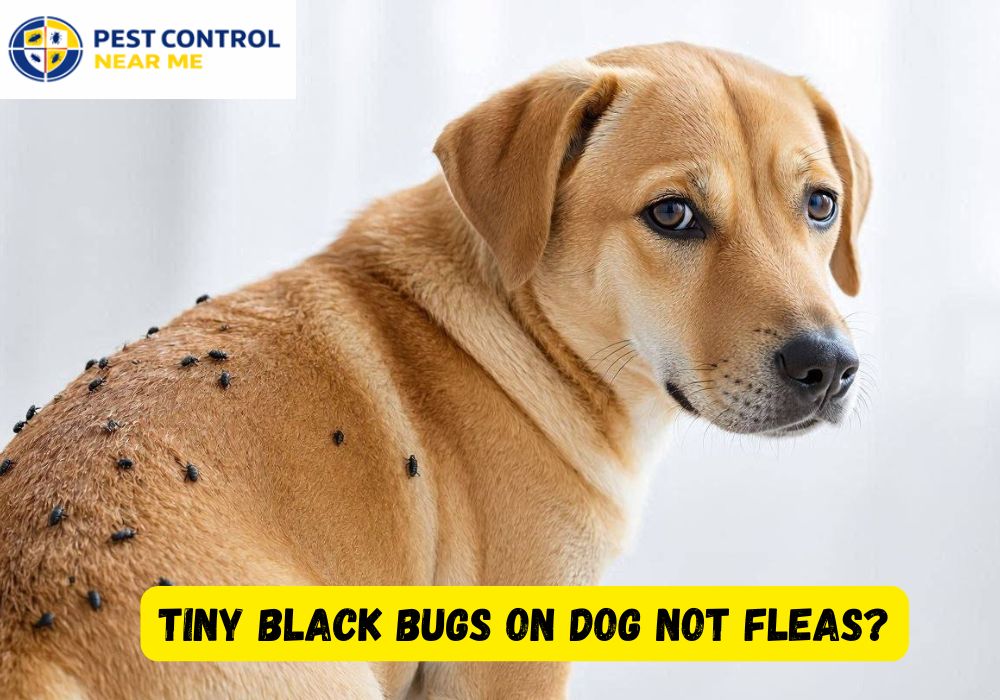
If you’re seeing tiny black bugs on dog not fleas, you’re not alone. Many pet owners in Texas—especially in areas like Grand Prairie, Arlington, and Mansfield—report finding bugs on dogs not fleas that don’t jump like fleas do.
If the bugs crawl but don’t jump, they are often lice or mites. Ticks may also be present, while fleas are typically known for jumping. The key problem? Standard flea treatments often don’t work on these pests.
That’s why correct identification is critical before treatment begins.
If you’re unsure what’s on your dog, don’t wait— reach out to Pest Control Near Me today for the best suggestions.
Why Your Dog Has Bugs But Not Fleas
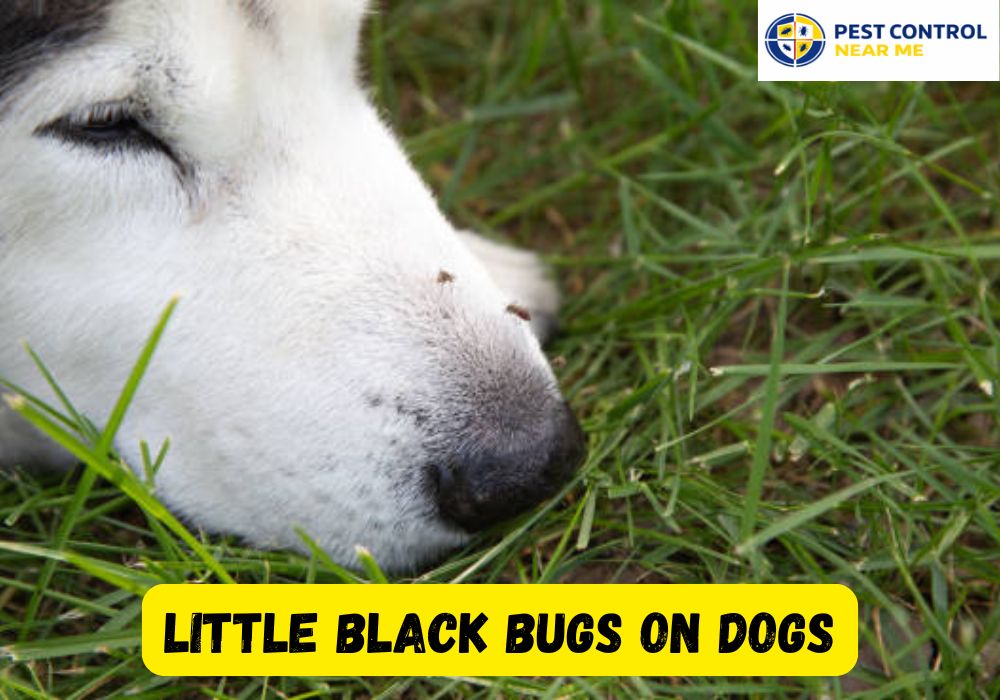
Fleas get all the blame, but they’re far from the only culprit. Plenty of tiny black bugs on your dog not fleas end up hiding in the coat.
Dogs pick these up from soil, other animals, tall grass, and even damp outdoor spots. Texas heat and humidity make the problem worse, giving parasites plenty of chances to hitch a ride.
The tricky part is telling them apart. Many pests look alike to the naked eye, which is why so many owners assume every bug is a flea.
Getting the ID right is step one. The wrong treatment wastes money and leaves your dog itching for weeks.
How to Identify Little Black Bugs on Dogs
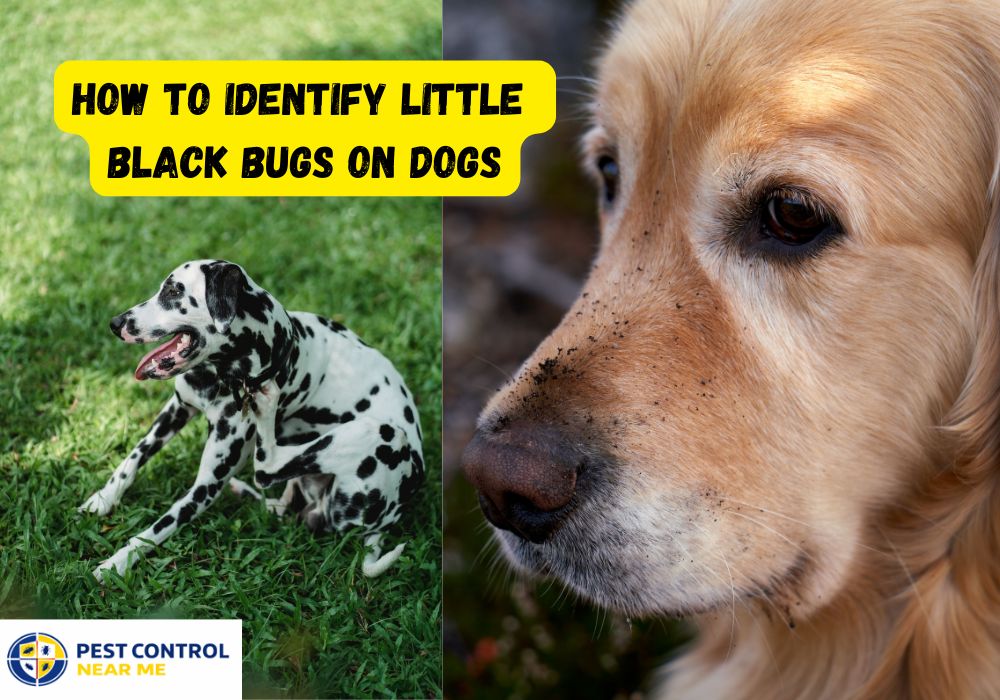
A close physical inspection tells you most of what you need to know. Grab good lighting, part the fur, and check the usual hiding spots.
Dog Lice
Dog lice are small, flat, and crawl slowly. Look for off-white eggs, called nits, glued to the hair shafts.
Check around the tail, groin, and ears first. These warm, protected areas are where lice love to gather.
Unlike fleas, lice never jump. If the bugs on my dog not fleas crawl at a lazy pace, lice are a strong suspect.
Mites
Mites show up as tiny dark specks, often too small to see clearly. They cause intense itching, redness, and patchy hair loss.
Ear mites are especially common. They leave a dark, crumbly discharge inside the ear canal that looks a lot like coffee grounds.
If your dog scratches nonstop and loses fur, mites are likely to blame.
Ticks
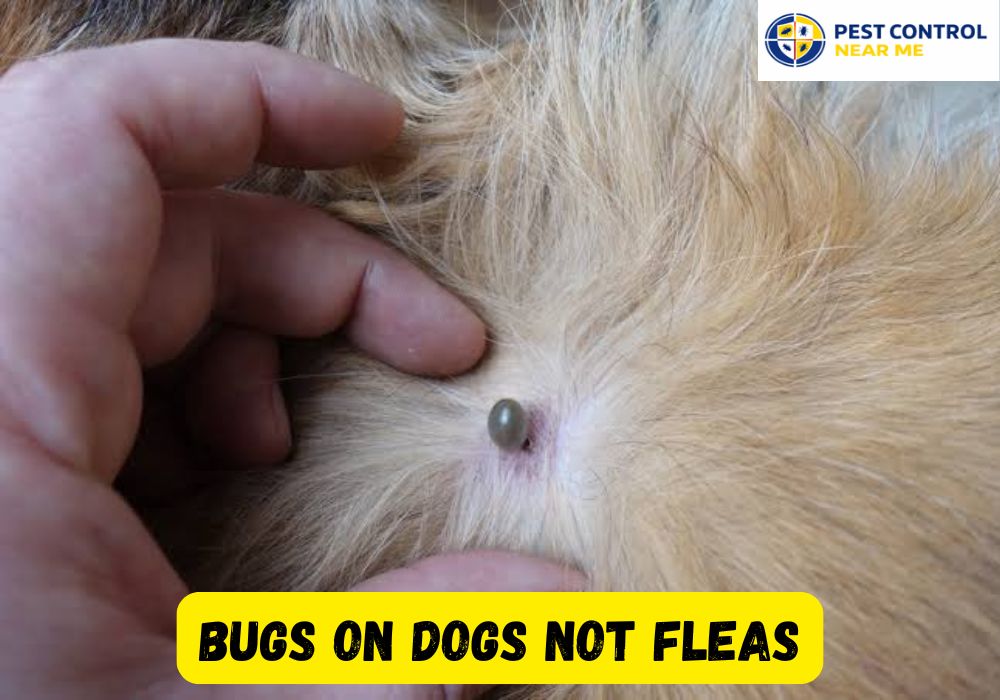
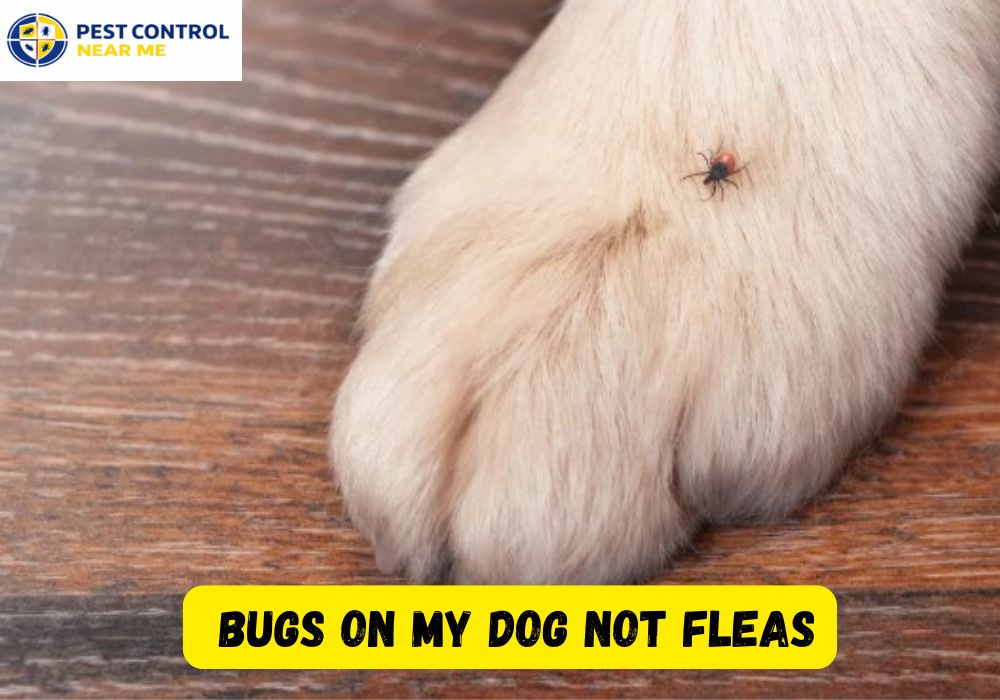
Ticks are small and teardrop-shaped. They attach firmly to the skin and swell as they feed on blood.
Once latched, they’re usually bigger and easier to spot than lice or mites. Check the neck, ears, and between the toes.
Springtails
Springtails are harmless environmental bugs. They may jump, which can trick you into thinking fleas.
You’ll often find them on a dog after play in moist, mulched, or soil-heavy areas. They don’t feed on your pet and rarely cause harm.
Comparison Table: Bugs on Dogs Not Fleas
Use this quick reference to match what you’re seeing with the right pest and treatment.
| Bug Type | Appearance | Behavior | Treatment |
| Dog Lice | Flat, off-white nits on hair shafts | Crawls slowly, never jumps | Vet parasiticides, medicated shampoo, nit combing |
| Mites | Tiny dark specks | Intense itching, hair loss, ear discharge | Vet-prescribed oral or topical meds |
| Ticks | Teardrop-shaped, larger when fed | Firmly attached to skin | Manual removal, vet tick preventives |
| Springtails | Tiny, dark, hops around | Harmless, from moist outdoor areas | Simple bath, dry out yard areas |
| Fleas | Reddish-brown, tiny | Jumps quickly | Flea-specific treatments |
How to Get Rid of Bugs on Dogs Not Fleas
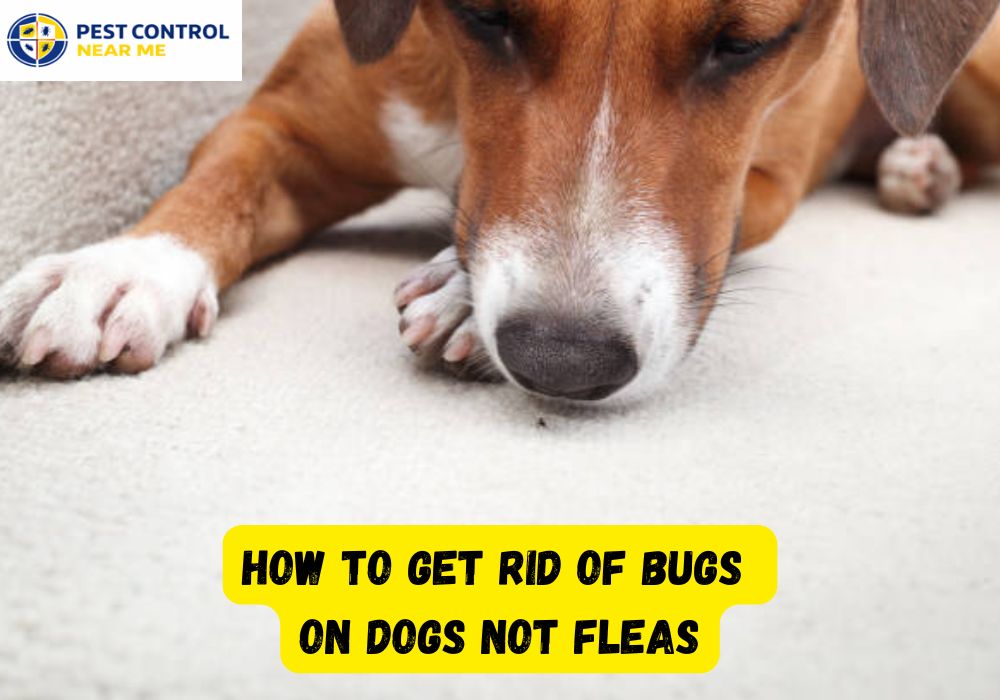
Once you know the pest, treatment gets much easier. Here’s how to clear the problem for good.
Start With a Vet Visit
Lice and mites don’t respond to common over-the-counter flea collars. Your vet can prescribe the right oral or topical parasiticides.
Ingredients like fipronil or isoxazolines target these parasites directly. A quick consult saves you weeks of trial and error.
This is the single most important step when your dog has bugs but not fleas.
Use Medicated Shampoos
Vet-recommended anti-parasitic shampoos wash away bugs, eggs, and grime. They also soothe irritated, itchy skin.
Follow the label closely. Some shampoos need a few minutes of contact time to work properly.
Comb Out the Coat
A specialized flea and tick comb traps insects and nits as you brush. Work in small sections and dip the comb in soapy water between passes.
This physical removal speeds up recovery and helps between shampoo treatments.
Skip the Household Sprays
It’s tempting to reach for whatever cleaner is under the sink, but most aren’t built for pests on pets. Just like people wonder whether Lysol kills ants with hit-or-miss results, household products rarely solve parasite problems safely.
Rubbing alcohol gets suggested a lot too, though its effectiveness is limited. If you’ve read about whether rubbing alcohol kills ants, you know home fixes often fall short. Stick with vet-approved products on your dog.
Clean Your Home to Stop Re-Infestation
Treating your dog is only half the battle. If the pests linger in your home, they’ll climb right back onto your pet.
Wash Everything in Hot Water
Toss all pet bedding, blankets, and washable toys into hot water. Heat kills bugs and eggs that a normal wash might miss.
Dry everything on high heat too, for extra insurance.
Vacuum Thoroughly
Vacuum carpets, rugs, furniture, and any spot your dog rests. Empty the canister or bag outside right away so nothing crawls back out.
Repeat this over several days to catch newly hatched pests.
Treat the Yard and Living Areas
Springtails and other outdoor pests come from damp spots. Dry out mulched beds and fix drainage where you can.
For stubborn indoor problems, professional help works best. If you rent, understanding pest control for apartments keeps a shared wall from turning into a shared infestation.
When to Call a Professional
Some cases need more than a shampoo and a comb. Heavy infestations, repeat problems, or a miserable, itchy dog all point toward expert help.
Before booking, it helps to know what pest control costs in Grand Prairie, Texas and typical monthly pest control pricing in Grand Prairie so there are no surprises.
Not sure it’s worth it? Weighing whether pest control is worth it in Texas can help you decide quickly.
Pet owners naturally worry about safety. Read up on whether pest control is safe for pets and how long after pest control you can go back inside before your appointment.
And if flying pests around your home leave you puzzled, sorting out flying ants vs. termites or bugs that look like flying termites helps you describe the problem accurately.
Conclusion
Tiny black bugs on your dog not fleas usually turn out to be lice, mites, ticks, or harmless springtails — and each needs its own approach. Identify the pest first, then treat with vet-approved parasiticides, medicated shampoos, and thorough combing. Don’t forget your home: hot-water washing and steady vacuuming stop re-infestation cold. When the problem grows or won’t quit, a trusted Grand Prairie pest team can protect both your dog and your household for good. Follow us on Facebook.
FAQs
Tiny black bugs on dog not fleas, how to get rid?
Identify the pest first, then treat with vet-prescribed parasiticides and medicated shampoo. Comb out nits, and wash all bedding in hot water to prevent re-infestation.
Small black bugs on dog not fleas or ticks?
If they crawl slowly and don’t attach firmly, they’re likely lice. Tiny specks that cause itching are usually mites. Both need vet treatment, not standard flea products.
Why does my dog have little black bugs?
Dogs pick up lice, mites, and other bugs from soil, grass, other animals, and damp outdoor spots. Texas heat and humidity make these pests especially common.
What do little black mites look like?
Mites appear as tiny dark specks, often barely visible. They cause intense itching, redness, and hair loss. Ear mites leave a dark, coffee-ground-like discharge.
How do I get rid of bugs on my dog?
Visit your vet for the right medication, bathe your dog with an anti-parasitic shampoo, comb out the coat, and clean your home thoroughly to stop the cycle.
What are the tiny black mites on my dog?
They’re likely ear mites, mange mites, or similar parasites. All cause itching and irritation, and all need vet-prescribed treatment to fully clear.
What kills mites instantly on dogs?
No product truly works instantly, but vet-prescribed isoxazolines and medicated shampoos act fast. A professional treatment plan gives the quickest reliable relief.
What is the silent killer of dogs?
Untreated tick-borne diseases, like ehrlichiosis and Lyme disease, are often called silent killers. They can cause serious harm before obvious symptoms appear, so tick prevention matters.
What kills black mites?
Vet-prescribed parasiticides such as fipronil and isoxazolines kill mites effectively. Medicated shampoos and thorough home cleaning support the treatment.
Are there home remedies for dog mites?
Some owners try diluted apple cider vinegar or soothing baths, but home remedies rarely eliminate an infestation. Vet-approved treatment is the safest, most reliable route.

